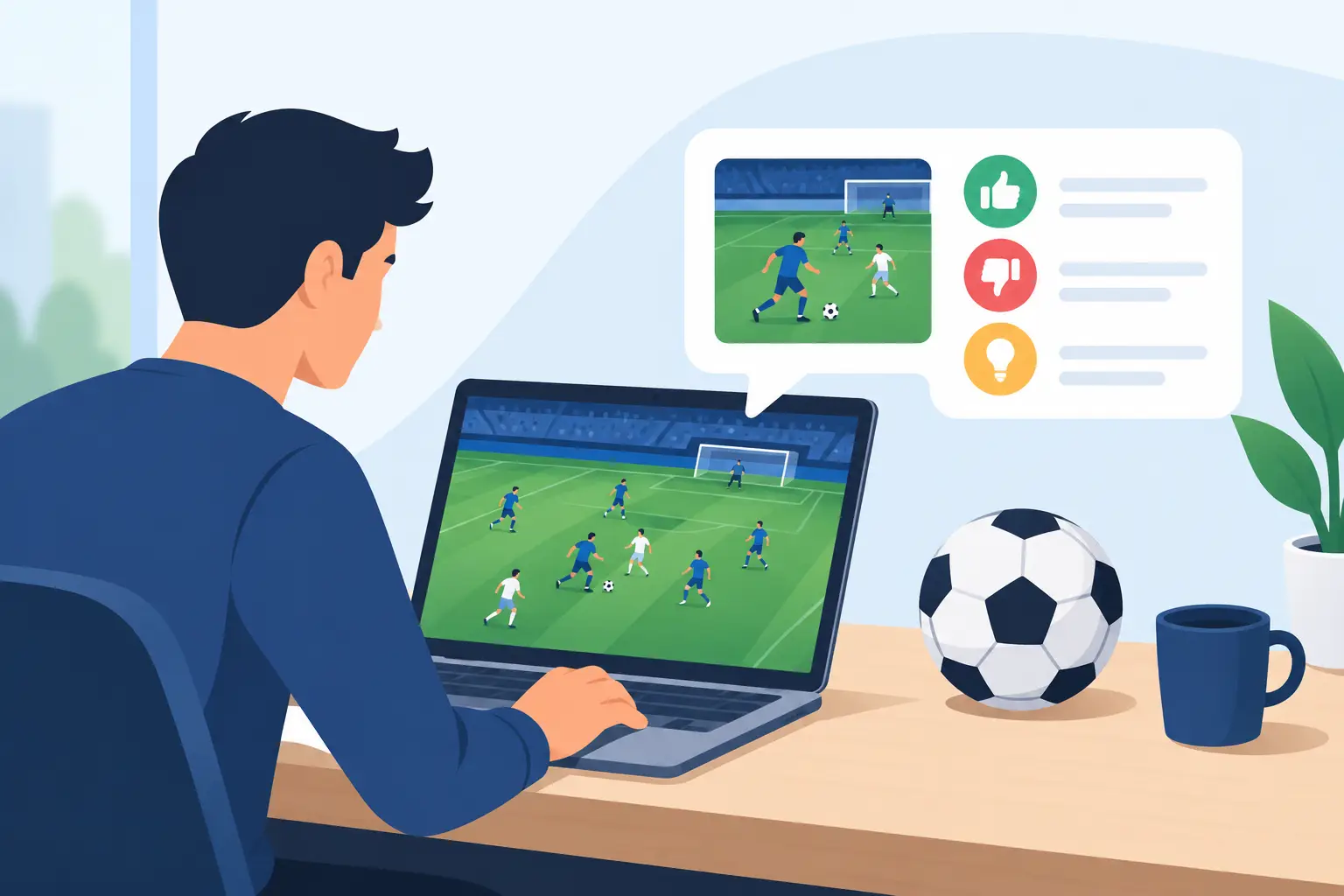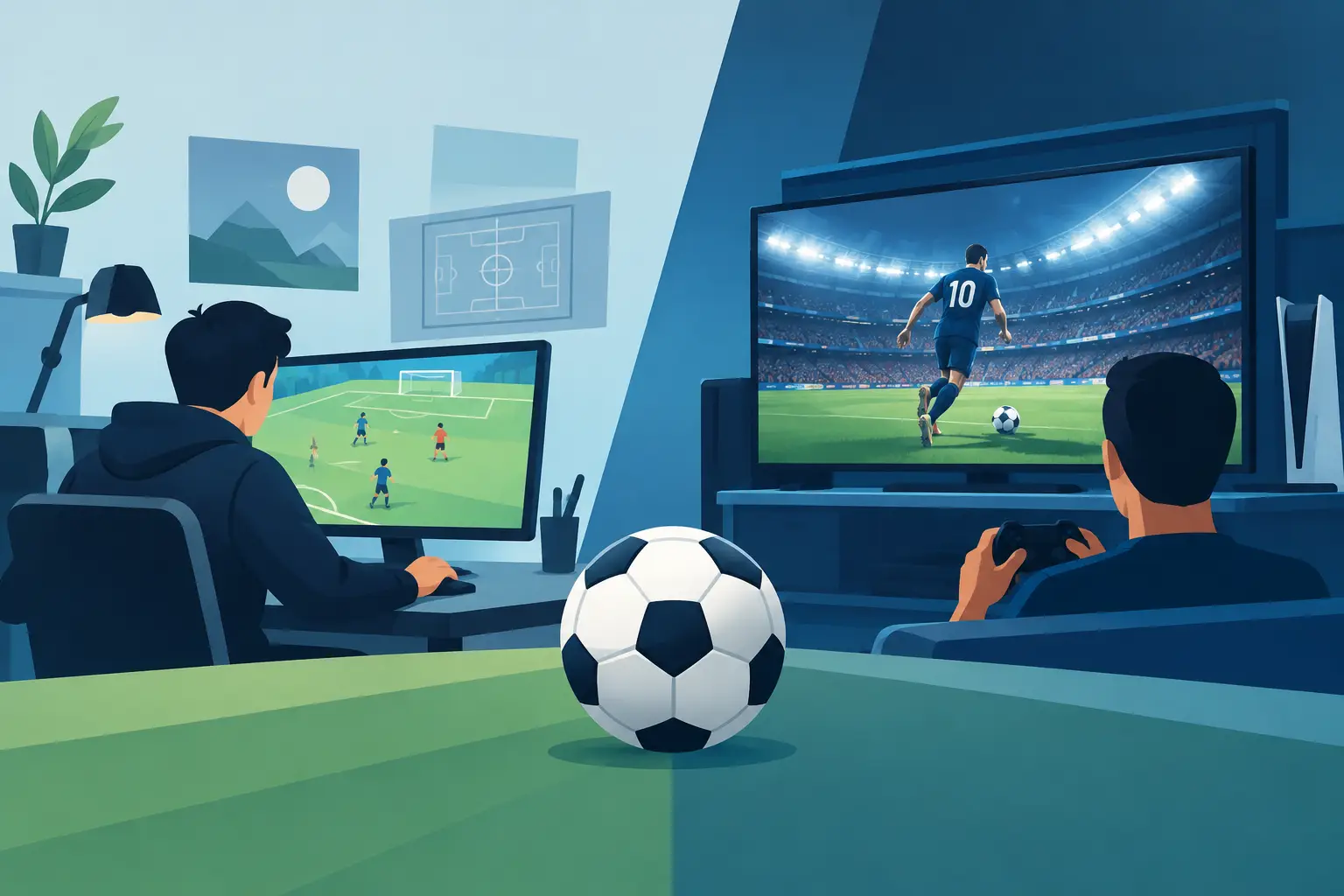
A football game does not win people over on graphics alone. But the moment a player sprints into open space, the crowd rises, the turf reacts, and the stadium lights hit just right, the whole experience feels bigger. That is exactly how football game graphics improve a game – not as decoration, but as part of what makes every match feel exciting, believable, and worth coming back to.
For football fans and gamers, visuals are not just about looking modern. They shape emotion. They sharpen gameplay. They help a digital match feel closer to the energy of the real sport. When graphics improve in the right ways, players do not just see a better game. They feel more connected to it.
How football game graphics improve the full experience
The biggest change great graphics bring is immersion. Football is a sport built on atmosphere. The tension before kickoff, the movement of a back line, the speed of a breakaway run, and the reaction after a goal all matter. Better visuals give those moments more weight.
When a stadium feels alive, a match feels meaningful. Packed stands, sharper player models, weather effects, and stronger lighting all help create that sense that something important is happening on the screen. Even casual players notice it. A game that looks flat can still function, but it rarely creates the same emotional pull.
That emotional pull matters because football gaming is not only about mechanics. It is also about fantasy, identity, and energy. Fans want to feel part of the action. They want to recognize the drama of the sport they love. Improved graphics help deliver that connection in a direct, exciting way.
Better visuals can improve gameplay clarity
This is where the conversation gets more practical. A visual upgrade is not only about realism. It can make the game easier to read.
Cleaner animations help players understand timing. Better lighting makes the field easier to track. Stronger contrast between players, the ball, and the pitch can improve split-second decisions. If a defender changes direction naturally or a pass animation reads clearly, players can react faster and feel more in control.
That is one of the most overlooked answers to how football game graphics improve play. Good graphics support decision-making. They show momentum, balance, spacing, and impact in a way that menus and ratings never can.
Of course, there is a trade-off. Visual detail should never get in the way of responsiveness. If a game chases realism so hard that animations become slow or input feels delayed, the experience suffers. The best football graphics do not just impress. They serve the action.
Animation matters as much as texture
A game can have detailed uniforms and sharp stadiums, but if movement feels stiff, players will notice immediately. Football is a flowing sport. It depends on body positioning, acceleration, footwork, and contact.
That is why animation quality often matters more than static visual detail. A convincing first touch, a natural sprint cycle, a fluid turn under pressure, or a goalkeeper reaction at the right angle can change how authentic a match feels. These are graphic improvements too, even if players describe them as gameplay.
When movement matches expectation, immersion rises fast. The sport feels right. And when the sport feels right, people trust the experience more.
Graphics help build identity and fan connection
Football is emotional because every club, player, and match carries identity. Visual presentation plays a huge role in that. Colors, kits, crowds, banners, player expressions, and stadium personality all turn a generic sports title into a football world fans want to spend time in.
This matters even more for an independent project trying to build something fresh. Players are not only judging technical quality. They are asking a simpler question: does this world feel alive enough that I want to be part of it?
Graphics answer that question quickly. A strong visual style can make a game feel ambitious before the first full match even starts. It tells supporters that the project has direction. It shows care. It gives the community something to rally around.
That does not always mean chasing hyper-realism. Sometimes a cleaner, more distinctive style creates a stronger identity than copying what bigger studios already do. It depends on the goal. Realism can impress, but personality can endure.
How football game graphics improve realism without solving everything
Realism is one of the biggest reasons fans care about visual upgrades. Better player faces, improved grass detail, dynamic weather, and crowd reactions all bring the sport closer to the real-world version people watch every week.
But realism has limits. A football game can look incredible in screenshots and still feel repetitive once the match starts. That is why visuals alone cannot carry the product. They have to work alongside physics, controls, AI, and match pacing.
Still, realism matters because it builds trust. If the pitch looks believable and player movement reflects real football energy, fans are more willing to buy into the illusion. They start filling in the gaps with their imagination. That is powerful.
This is especially true for supporters who want a fresh football experience outside the usual names. If the presentation feels exciting and credible, people become more open to following the journey and helping shape what comes next.
Small visual details create big emotional moments
Some improvements seem minor until they happen in a live match. A jersey pulling during contact. Mud building up in bad weather. Net movement after a hard finish. A crowd surge after a late winner. These are not just technical extras.
They tell the player, this moment matters.
Football is a sport of momentum swings and emotional release. Graphics can amplify that release. They turn a basic goal into a memorable one. They make a defensive block feel heroic. They give extra life to celebrations, rivalries, and clutch moments.
That emotional layer is a huge part of why fans stick with a game over time.
Community expectations keep rising
Players expect more now. They have seen what modern hardware can do. They have watched side-by-side comparisons, gameplay clips, and fan-made edits. Visual standards are higher across the board.
That creates pressure, but it also creates opportunity. An independent football project does not need to outspend giant studios to make an impact. It needs to show progress that fans can recognize and get excited about. Strong graphics updates are one of the clearest ways to do that.
Every visible improvement sends a message. The game is moving forward. The world is becoming more polished. The vision is becoming real.
That matters for a community-backed project because supporters want to feel their participation has weight. They want to see momentum. They want proof that a football game can be built with energy, creativity, and global fan support behind it.
Why visual improvement is part of building the future
When people ask how football game graphics improve the experience, the real answer is bigger than sharper images. Better graphics improve immersion, gameplay readability, emotional connection, and confidence in the project itself.
They help transform an idea into something players can feel. They make a football game easier to believe in. And for a growing, community-driven vision, belief matters.
At Infinity Football, that is part of the mission – building an exciting football gaming future with supporters who want to help shape it from the ground up. Not as investors expecting financial returns, but as fans backing a creative project they want to see exist.
The best football graphics do more than show progress on a screen. They give a global community something real to believe in, one improvement at a time. If that kind of future sounds exciting to you, keep paying attention to the projects that are building with fans, not just selling to them.