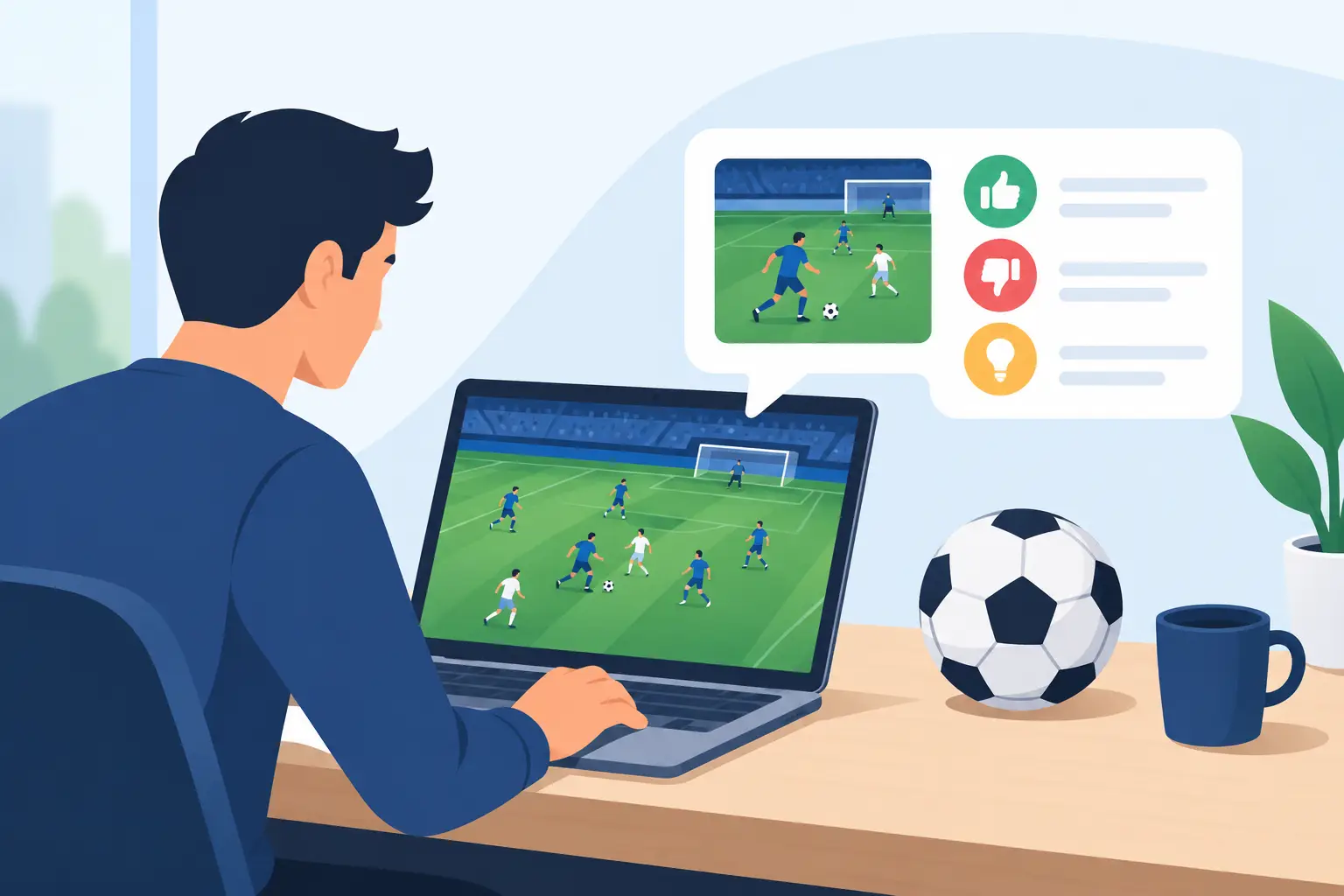
The next big shift in football gaming may not start with a publisher boardroom. It may start with fans deciding they want more say, more connection, and a more direct role in what gets built. That is why future fan participation in game development matters so much right now. Players are no longer satisfied with just waiting for release day. They want to support ideas earlier, influence direction, and help shape games that actually reflect the communities around them.
That change is exciting because it opens the door for something bigger than a standard launch cycle. It creates a model where fans are not treated like the final step in the process. They become part of the journey from the start. For football gaming especially, that matters. This is a genre powered by passion, loyalty, debate, identity, and global culture. A community-backed game has the chance to feel more alive because the people who love the sport are involved while it is still being built.
Why future fan participation in game development is growing
The old model was simple. Studios made the decisions, marketing teams created hype, and fans chose whether to buy in at the end. That model still exists, and for some projects it still works. But it also leaves a gap between what players want and what actually gets made.
Fans today are used to being part of digital communities. They follow creators, vote in polls, join live chats, back independent projects, and share feedback in real time. That behavior does not stop when they think about games. If anything, games are one of the clearest spaces where people want to be heard.
For independent projects, this shift is even more powerful. Without the weight of a giant publisher structure, community-supported development can move closer to what supporters genuinely care about. That does not mean every fan decision should become a feature. It means the relationship changes. Supporters are not passive. They are early believers helping push a concept forward.
In football gaming, that can be a real advantage. Fans know when a game captures the feel of the sport and when it misses. They understand the culture around clubs, rivalries, player identity, style, atmosphere, and emotion. A development process that listens to that energy has a better shot at creating something fresh.
What fan participation can actually look like
When people hear about participation, they sometimes picture total creative control handed over to the crowd. That is not realistic, and it usually is not good development either. Strong games still need clear vision, consistent leadership, and practical decision-making.
The better model is guided participation. Fans help shape the project in meaningful ways while the development team keeps the game moving toward a clear goal. That can include early support for the project itself, feedback on visual direction, reactions to gameplay priorities, community discussion around what feels authentic, and shared momentum that helps the project grow.
This kind of involvement does two things at once. First, it helps validate demand before a game is fully built. Second, it creates emotional investment. A supporter who helps bring a game to life feels connected in a different way than someone who simply buys a finished product months later.
That emotional connection matters. Football fans do not just want mechanics and menus. They want a game world that respects the spirit of the sport. Community-backed development can make that goal more achievable because the feedback loop starts earlier.
The promise and pressure of community-backed creation
There is a reason this model feels innovative. It gives independent game projects a real path to exist. Instead of waiting for a large company to approve a concept, supporters can help move it forward directly. That creates opportunity for new voices, new styles, and new football experiences that might otherwise never get off the ground.
But there is also pressure. Fan participation raises expectations. If people support a project early, they want transparency. They want honesty about progress, challenges, and priorities. They do not expect perfection, but they do expect clarity.
That is where many projects either build trust or lose it. A strong community-driven brand has to stay enthusiastic without becoming vague. It has to inspire supporters while being clear that development takes time, that plans can evolve, and that voluntary support is about helping create something new, not buying guaranteed outcomes.
This balance is critical. Community energy is powerful, but trust is what sustains it.
Future fan participation in game development for football games
Football is one of the best spaces for this model because the fan base is already global, vocal, and highly engaged. Supporters do not just consume football. They argue about it, celebrate it, analyze it, and build identity around it. A game that invites fans into development taps into that culture in a natural way.
Imagine a football gaming project being shaped not only by internal planning, but by the people who understand what makes the sport compelling. That could influence the tone of the experience, the style of play, the visual personality, and the features that feel most worth building first. It can also help a project stay connected to what fans actually want rather than what the market has repeated for years.
At the same time, football audiences are broad. Some want realism. Some want speed and flair. Some care about authenticity, while others want fun and accessibility above all else. That means fan participation should inform direction, not scatter it. The strongest projects will use community input to sharpen the vision, not overload it.
For a grassroots project like Infinity Football, that approach fits the moment. Fans who want a fresh football gaming experience do not have to sit back and hope someone else builds it. They can step in, support the mission, and become part of the early momentum behind something exciting and global.
What supporters really want from participation
Most fans are not asking to manage production schedules or review technical pipelines. They want to feel that their support means something. They want proof that the project values community, listens seriously, and is being built with intention.
That starts with simple things. Clear messaging. Honest positioning. A development journey people can believe in. Supporters also want to know what kind of project they are helping bring to life. Is it ambitious? Is it original? Does it respect the culture of football? Does it feel like a real effort rather than a vague idea?
When those answers are strong, participation becomes more than a transaction. It becomes a shared mission.
That is the future many fans are looking for. Not a financial stake. Not empty hype. A chance to help create the kind of game they want to see exist.
Where this model works best and where it can struggle
Community-supported development works best when the vision is clear and the audience connection is real. If the concept is easy to understand and emotionally compelling, fans can rally around it. Football is especially strong here because the passion is already built in.
It can struggle when projects promise too much, communicate too little, or treat community participation like a marketing trick. Fans can spot that quickly. If participation is only performative, trust fades fast.
There is also a practical limit to how much feedback should shape development. Too little listening creates distance. Too much can create confusion. The best path is a strong central direction with open ears and honest communication.
That middle ground is where the future looks most promising. Fans contribute energy, support, and perspective. Builders turn that momentum into an actual game.
The most exciting part is not just that fans may influence game development more in the future. It is that they may help decide which games get the chance to exist at all. For football gaming, that opens the door to new ideas, new communities, and a more inclusive path forward. If you believe the genre needs fresh energy, this is where that change starts – with people who care enough to help build it.