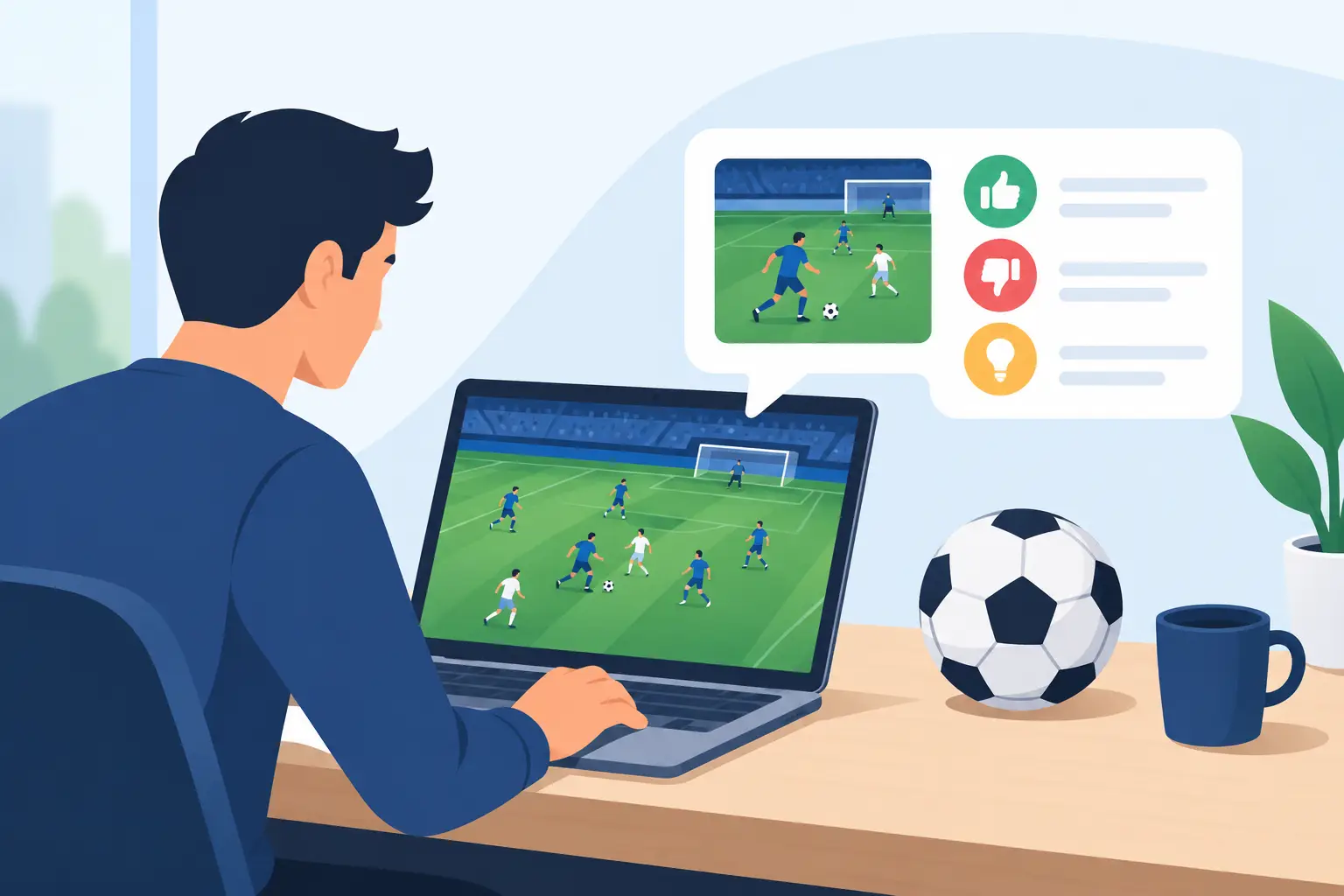
Some games are built behind closed doors. Fan driven development flips that idea and brings the community much closer to the process. If you’re asking what is fan driven development, the short answer is this: it’s a way of building a project with real support, feedback, and momentum from the people who want it to exist.
That matters more than ever in football gaming. Fans do not just want another title with a new cover and the same old feeling. They want something exciting, fresh, and worth backing early. Fan driven development gives supporters a way to be part of that journey from the start, not just at launch.
What Is Fan Driven Development in Simple Terms?
Fan driven development is a community-powered approach to creating a game, entertainment project, or digital experience. Instead of relying only on a major publisher, large investors, or a traditional top-down model, the project grows with help from supporters who believe in the vision.
That help can show up in different ways. Fans may contribute funding. They may share ideas, react to early concepts, spread the word, and help create the energy that keeps a project moving. The key point is that the audience is not treated like an afterthought. They are part of the build.
In a football game context, that makes a lot of sense. Football is already global, emotional, and community-driven. The people who love the sport usually have strong opinions about gameplay, presentation, authenticity, and fun. A fan driven model turns that passion into action.
Why Fan Driven Development Feels Different
Traditional game development often asks people to wait. They hear rumors, see trailers, and eventually get a release date. Fan driven development creates a more open and participatory relationship. Supporters are not just watching from the outside. They are helping push the project forward.
That creates a different kind of connection. When fans contribute to development, they are backing an idea they want to see become real. They are saying, this should exist, and I want to help build it. That emotional buy-in can be powerful, especially for an independent project trying to bring a new football experience to life.
There is also a momentum factor. Community-backed projects often grow because people enjoy being early supporters. They like being part of something ambitious before it becomes mainstream. That sense of shared mission can be just as important as the financial support itself.
How It Actually Works
At its core, fan driven development usually combines voluntary support with community engagement. People contribute because they believe in the vision, not because they are buying stock or expecting financial returns. That distinction matters. Support is about helping fund creation, not entering an investment deal.
From there, development becomes a more visible journey. Fans may follow updates, respond to creative direction, and support the areas that need resources most, whether that is gameplay systems, graphics, presentation, or general production progress.
For an independent football project, this model is especially exciting because it opens the door to building something outside the usual formula. Instead of waiting for a giant company to decide what fans want, the community can help prove demand in real time.
That said, fan driven development is not the same as letting the crowd control every decision. Strong projects still need leadership, creative discipline, and a clear vision. The community can help shape the path, but the builders still need to build.
The Real Benefits of a Fan Powered Model
The biggest benefit is alignment. When fans are supporting development early, the project starts with a built-in connection to its audience. That can lead to better instincts, stronger loyalty, and a more authentic identity.
There is also freedom. Independent projects that are supported directly by their community may have more room to try something innovative. They are not always forced into the safest possible version of the idea. For football gaming, that matters. Many players are ready for a fresh take, not just a repackaged one.
Another benefit is clarity. A fan powered model makes the mission easy to understand. People are not just being sold a finished product. They are being invited to help create one. That changes the relationship from simple consumption to shared ambition.
And then there is reach. Fans who support a project often become its first advocates. They talk about it, post about it, and bring others in. That kind of organic growth can be incredibly valuable for a global digital entertainment brand trying to build momentum from the ground up.
What Fan Driven Development Is Not
It is not a guarantee of instant success. Community support can create fuel, but it does not remove the hard work of development. Building a game still takes time, resources, planning, and patience.
It is also not a promise that every fan idea will make it into the final experience. Communities are passionate, but they are rarely unified on every detail. Some people want realism. Others want speed and style. Some want deep systems. Others want pure fun. A fan driven approach should listen closely, but it also has to make decisions.
Most importantly, voluntary support is not an investment product. That needs to stay clear and transparent. People who contribute are backing development because they want to help the project move forward, not because they are expecting ownership or financial return.
Why It Fits Football So Well
Football is one of the most community-powered forms of entertainment in the world. It crosses borders, generations, and play styles. People do not just watch football. They argue about it, celebrate it, build identities around it, and bring that energy into gaming.
That makes football a natural fit for fan driven development. If any kind of game can benefit from global passion and shared momentum, it is a football game. Fans already know what they want to feel when they play. They want intensity. They want identity. They want moments that feel big.
A community-backed football project can tap into that emotional energy from day one. It can build with the audience, not just market to the audience. For a brand like Infinity Football, that idea sits right at the center of the mission: bring fans together to help create a new football entertainment experience through voluntary support and shared belief in the vision.
The Trade-Offs Are Real
Fan driven development is exciting, but it works best when expectations are honest. Community involvement creates momentum, but it can also create pressure. If communication is weak, supporters may feel disconnected. If the vision is too vague, excitement can fade.
There is also a balance to manage between listening and leading. Too little community input and the model loses its point. Too much reaction to every opinion and the project can lose focus. The strongest fan driven projects respect the audience while staying committed to a clear direction.
This is where transparency matters. Supporters do not need fake perfection. They need honesty, energy, and proof that the project is moving forward with purpose. That builds trust, and trust is a huge part of any community-backed effort.
Why People Support Projects Like This
People support fan driven development for practical reasons and emotional ones. Practically, they want a game that offers something new. Emotionally, they want to help make it happen.
There is something powerful about backing a project early. It gives supporters a sense of participation that a normal purchase cannot match. They are not just showing up at the end. They are helping create the beginning.
For football fans and gamers, that can be especially meaningful. If you’ve ever felt like the genre needs new energy, new ideas, or a more community-first mindset, fan driven development gives you a direct way to stand behind that belief.
So, What Is Fan Driven Development Really About?
At its best, fan driven development is about shared creation. It is a model built on belief, participation, and momentum. Fans help fund the vision, amplify the mission, and give an independent project the chance to grow into something real.
It is not passive. It is not corporate by default. It is a more open way to build entertainment for people who want to be part of the story before the final product arrives.
For anyone who loves football, gaming, and the idea of building something exciting from the ground up, that is the real appeal. Fan driven development gives the community a seat closer to the action and a genuine role in helping shape what comes next.
The future of football gaming will not only be decided by big studios. It can also be pushed forward by fans who care enough to support the vision they want to play.