A lot of great game ideas never fail because they lack passion. They fail because funding changes the direction. That is the real tension in community funded games vs publishers, especially when fans are hungry for something fresh and developers are trying to build it without losing the original vision.
For football gaming, that difference matters even more. Fans know when a game feels built for a boardroom instead of built for the people who actually play it. When a project is backed by a community, the energy is different. The mission is clearer, the connection is stronger, and the development journey feels shared from the start.
What community funded games vs publishers really means
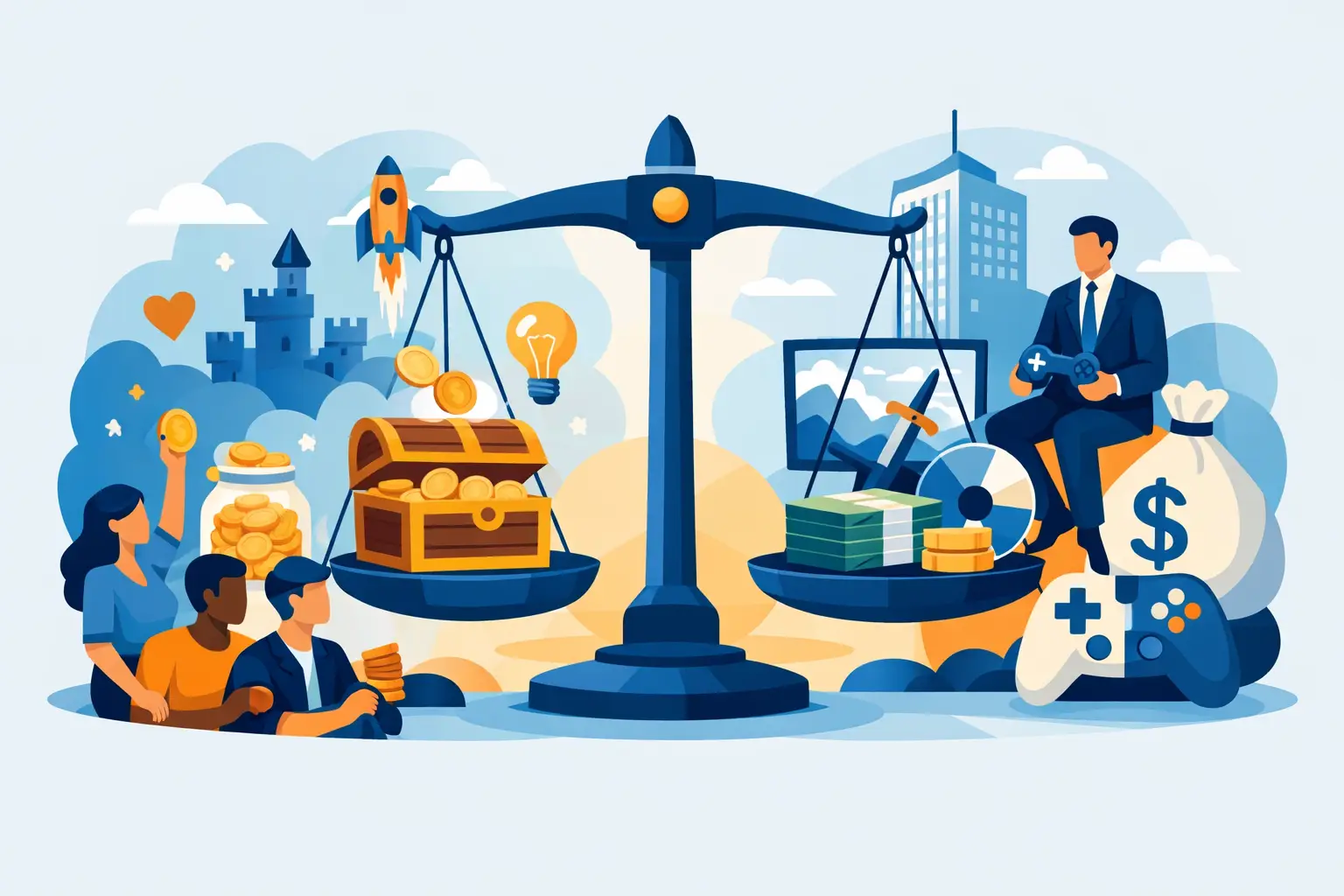
At its core, community funded games vs publishers is a question of who shapes the game. Is the project driven by a fan-backed vision, or is it guided by a larger company with its own commercial goals, deadlines, and expectations?
A publisher-backed model usually brings capital, distribution power, marketing reach, and production support. That can be a huge advantage. Teams can move faster, hire more people, and launch with a bigger spotlight. For many studios, that path makes perfect sense.
But there is a trade-off. Publisher support often comes with control. That can affect timelines, features, creative priorities, monetization, and even the identity of the game itself. A promising idea can become safer, broader, or more commercially familiar because it needs to satisfy business targets.
Community-funded development starts from a different place. It begins with belief. Supporters voluntarily back a project because they want it to exist. They are not buying stock. They are not promised financial returns. They are helping a game move forward because they care about the concept, the culture around it, and the possibility of building something exciting together.
Why fans are paying attention to the funding model
Players are more informed than ever. They can spot when a game has been shaped around aggressive monetization, rushed release windows, or design choices that feel disconnected from the audience. That is one reason more people are interested in how games get made, not just how they look in a trailer.
When fans support an independent project, they are backing more than a title. They are backing a direction. They are saying they want creativity, independence, and a closer relationship between the builders and the audience.
That does not automatically make community-funded games better. Some projects move slowly. Some struggle to turn ambition into finished systems. Some ask for patience that not every player wants to give. Still, the appeal is real because the process feels more honest. People can see what they are helping build.
The biggest advantage of community-funded games
The strongest advantage is creative freedom. A community-backed team can stay focused on the experience it set out to create instead of reshaping everything around outside pressure.
That matters in sports and football gaming. Fans often want authenticity, fresh ideas, and gameplay choices that reflect how they actually think about the sport. A community-driven project can listen closely to those expectations and build with them in mind.
It also creates a more inclusive kind of momentum. Supporters are not standing on the sidelines waiting for a giant company to tell them what is next. They are part of the early push. They help give the project life. That sense of shared ownership, in the emotional sense, is powerful.
For a new football game, that can be the difference between launching as just another product and growing as a movement around a global fan base.
Where publishers still have the edge
Publishers are not the villain in this conversation. They exist for a reason, and in many cases they help games reach a quality level and market size that would be hard to achieve alone.
A publisher can provide larger development budgets, experienced production support, quality assurance, platform relationships, and a strong promotional machine. That infrastructure matters. It can help a project hit deadlines, polish content, and get in front of millions of potential players.
There is also less uncertainty for consumers once a major publisher is involved. People often assume the game will have more resources behind it and a clearer launch path. That confidence can influence attention, press coverage, and early adoption.
So the question is not whether publishers have value. They clearly do. The real question is whether that value comes at the cost of originality, flexibility, or fan-first thinking.
Community funded games vs publishers in creative control
This is where the split becomes easiest to see. In community funded games vs publishers, creative control is often the deciding factor.
With publisher-led development, creative choices may need approval across multiple business layers. The game has to fit revenue plans, audience forecasts, and brand strategy. Sometimes that structure improves discipline. Sometimes it strips out the very ideas that made the project interesting.
With community support, developers usually have more room to protect the core vision. They can build around the audience they believe in rather than chasing every mass-market trend. That freedom can lead to innovation, but it also puts more responsibility on the team to stay clear, transparent, and disciplined.
Freedom without execution is not enough. A community-funded project still needs direction, consistency, and trust.
Why this model fits passionate football audiences
Football fans are not passive. They debate tactics, culture, players, style, identity, and the future of the sport every day. That same passion can carry into gaming. People do not just want to consume football entertainment. They want to feel connected to it.
That is why a fan-powered model makes sense. It matches the emotional reality of the audience. Supporters can help build an exciting football gaming experience from the ground up, not just wait for one to arrive.
For a project like Infinity Football, that kind of support reflects something bigger than a transaction. It is a voluntary way to back development, contribute to the creative journey, and help push forward a more global, community-driven vision for football entertainment.
The risks are different on both sides
Publisher-backed games carry the risk of compromise. Community-funded games carry the risk of uncertainty.
A publisher can help get a game finished, but fans may end up with a product shaped by commercial caution. A community-funded game may stay truer to its purpose, but progress can take time and depend heavily on ongoing support.
That is why transparency matters so much. If a project is community-backed, supporters should understand what they are doing. They are voluntarily helping fund development. They are supporting a creative mission. They are not buying financial upside.
That clarity builds trust. And trust is everything when a project is asking people to believe early.
Which model creates stronger long-term loyalty?
For pure scale, publishers often win early. They can create visibility fast and dominate attention. But long-term loyalty is a different question.
Community-backed games can build deeper emotional connection because players feel part of the origin story. They remember when the project was just an idea with momentum behind it. They helped carry it forward. That creates loyalty that marketing alone cannot manufacture.
When fans feel heard, they become advocates. They talk about the project, share it, defend it, and bring others in. That kind of support is valuable because it grows from belief, not just advertising pressure.
For independent entertainment brands, that is a real advantage. A committed community can become the foundation that keeps a project moving through every stage of development.
So which is better?
It depends on what kind of game you want to exist.
If the priority is scale, reach, and heavy production infrastructure, publishers have obvious strengths. If the priority is independence, originality, and direct community connection, community funding offers something powerful that the traditional system often cannot.
For fans who want more voice in the future of gaming, the appeal of community support is easy to understand. It feels more human. More direct. More ambitious in the right way.
The most exciting part is not just choosing between community funded games vs publishers. It is recognizing that fans now have the ability to help shape what gets built next. If you believe football gaming can be bigger, fresher, and more community-driven, supporting the right project is one way to help make that future real.