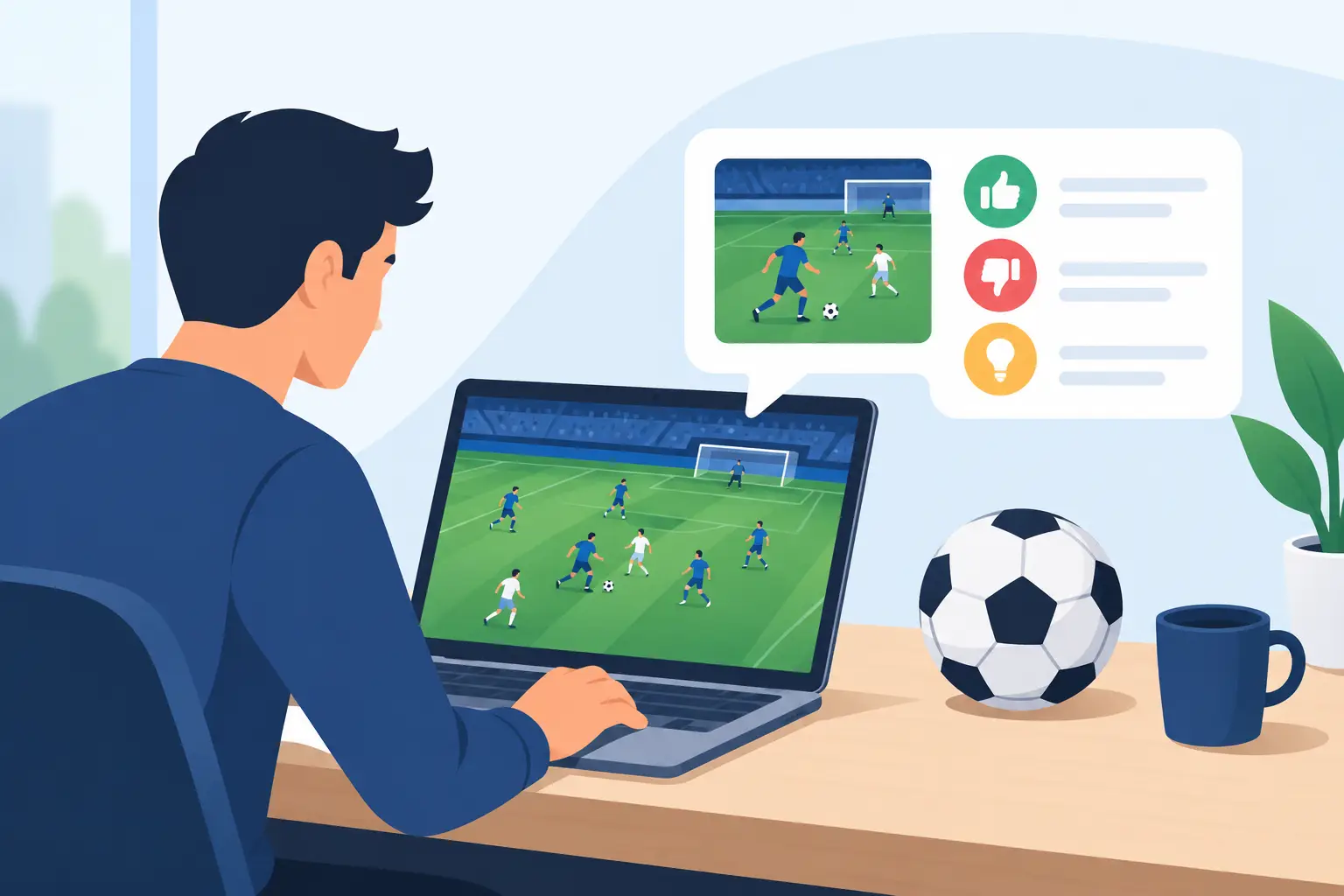
A new football game does not always start in a boardroom with a giant publisher behind it. Sometimes it starts with a community that wants something better, fresher, and more connected to the people who will actually play it. That is where this guide to fan backed entertainment begins – with fans choosing to help create the experiences they want to see.
Fan-backed entertainment is simple at its core. A community supports a project while it is being built, usually through voluntary contributions, shared attention, and ongoing momentum. In return, supporters get something many traditional entertainment models do not offer early on – a real sense of participation. They are not just waiting for a release date. They are helping make the project possible.
What fan-backed entertainment really means
Entertainment has often worked in one direction. A company builds. The audience waits. Then the product arrives, fully packaged, with little room for the community to influence the journey. Fan-backed entertainment changes that rhythm.
In a fan-backed model, the audience steps in earlier. They support the creation of a game, digital experience, media project, or entertainment brand because they believe in the idea and want to help push it forward. The support is usually donation-based or community-driven rather than investment-based. That distinction matters.
A supporter is backing the creation of something exciting, not buying ownership and not expecting financial returns. The value is emotional, cultural, and participatory. You are helping build a project you want to exist.
That makes this model especially powerful for football fans and gamers. These communities are already vocal, passionate, and global. They know what they want from an entertainment experience. When a project invites them in early, it can build real energy fast.
Why a guide to fan-backed entertainment matters now
Fans are no longer satisfied with being treated like a late-stage audience. They want to be part of the momentum. They want to support original ideas, especially when those ideas come from independent creators trying to build something bold.
That is why a guide to fan-backed entertainment matters right now. It helps people understand what they are supporting, why this model is growing, and what makes it different from preorders, investments, or passive fandom.
For entertainment brands, the shift is just as meaningful. Fan backing can validate demand before a project is fully built. It can create a loyal base early. It can also keep the mission focused. When supporters rally around a concept from day one, the project grows with a stronger sense of identity.
Still, this approach is not magic. Community support can create momentum, but it also creates responsibility. A project has to be clear, honest, and consistent. If people are going to back an idea, they need to understand what their support means and what it does not mean.
How fan-backed entertainment works in practice
Most fan-backed entertainment projects start with a clear vision. Not a vague promise. Not empty hype. A vision people can immediately understand. In the football gaming space, that might mean building a new digital experience shaped by football culture, community energy, and a global audience that wants a fresh take.
From there, supporters are invited to contribute. Sometimes that is a fixed-dollar amount. Sometimes it is a custom amount based on what each person wants to give. The key is accessibility. People should feel they can participate without confusion.
The strongest projects also make the purpose of support clear. Contributions may help fund gameplay development, visual production, creative direction, or the broader buildout of the entertainment experience. That clarity matters because fans want to know they are helping move something real.
Just as important is transparency. A donation-backed project should clearly say that support is voluntary and does not create financial rights or returns. That honesty builds trust. In fact, it is often one of the biggest strengths of the model. When expectations are set properly, supporters can engage with confidence and enthusiasm.
What makes fan-backed entertainment different from traditional gaming
Traditional gaming usually asks fans to show up at the end – after the concept, funding, and development priorities have already been decided. Fan-backed entertainment invites them in much earlier.
That early involvement changes the feeling around a project. Supporters are not just reacting to marketing campaigns. They are responding to a mission. They want to see a new game, platform, or digital world become real because it speaks to what they feel is missing.
For independent projects, this can be a major advantage. Without the size and spending power of major publishers, an emerging entertainment brand needs belief, momentum, and community visibility. Fan backing helps create all three.
There are trade-offs, though. Big publishers can move with larger budgets and broader production pipelines. Independent fan-backed projects often move with more flexibility and closer community connection, but they may have fewer resources. That is not necessarily a weakness. It simply means supporters should understand they are helping fuel a growing project, not purchasing a finished giant on day one.
Why football is a natural fit
Football already runs on emotion, identity, and community. It is global. It is social. It sparks debate, loyalty, creativity, and nonstop engagement. That makes it a natural fit for fan-backed entertainment.
A football-themed digital project can bring together players, fans, creators, and supporters from different countries under one shared ambition. That kind of wide appeal is rare. It gives a community-backed football game the chance to feel bigger than just another title. It can feel like a movement built by people who genuinely want a new experience in the space.
That is part of what makes a project like Infinity Football compelling. It is not presenting support as an investment story. It is presenting support as a direct way for football fans and gamers to help build an exciting, innovative, global entertainment project from the ground up.
How to judge a fan-backed project before you support it
Not every project deserves community backing, so supporters should pay attention. The first thing to look for is clarity. Can the team explain what the project is in simple language? If the idea feels confusing, the support model probably will too.
Next, look for transparency around funding. A credible project should be direct about the fact that contributions are voluntary and do not offer financial returns. If that part is vague, it is a red flag.
Then look at the energy of the community. Is there a real sense of mission, or is the project just asking for money without building connection? Fan-backed entertainment works best when people feel included in something larger than a transaction.
Finally, ask yourself a basic question: do you want this to exist? That is often the clearest test. If you believe the project would add something fresh to football gaming or digital entertainment, support becomes more meaningful. You are not just spending. You are helping create momentum around an idea you care about.
The real value for supporters
Some people hear donation-based entertainment and immediately ask, what do I get back? That is the wrong frame for this kind of project.
The real value is being part of the build. It is the feeling of showing up early for something with potential. It is helping independent creators push forward an idea that might not exist without community support. It is backing a future you want to play, watch, and talk about.
For many fans, that is powerful. Entertainment is not only about the finished product. It is also about belonging, identity, and the excitement of being there at the beginning. Supporting a fan-backed project turns fandom into action.
Of course, it depends on what kind of supporter you are. If you only want polished, release-ready products, this model may feel too early-stage. But if you like helping build bold concepts before the rest of the world catches on, fan-backed entertainment offers something far more personal.
The future of fan-backed entertainment
This model is growing because audiences want more than passive consumption. They want participation. They want to support creators they believe in. They want entertainment that feels connected to real communities instead of distant corporate planning.
That does not mean fan-backed entertainment will replace traditional studios or major launches. It means there is room for another path – one that is more direct, more community-driven, and often more exciting for supporters who want to help shape what comes next.
For football gaming, that future feels especially promising. The audience is already there. The passion is already there. What matters now is whether enough fans are ready to back a new vision and help build it into something real.
If you have ever said the football gaming world needs something different, this is the moment to treat that belief like more than a comment. The future gets built when fans decide to show up for it.