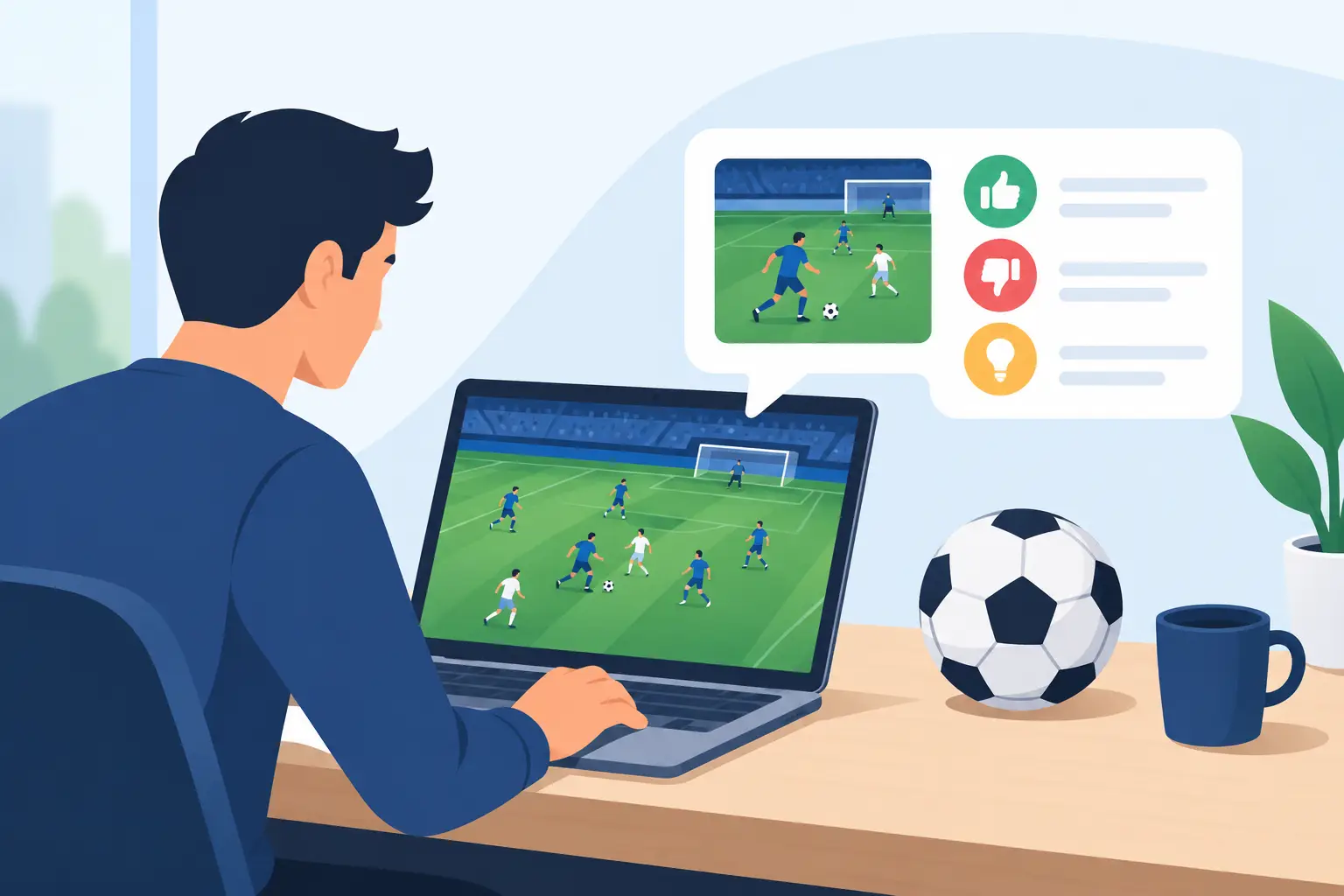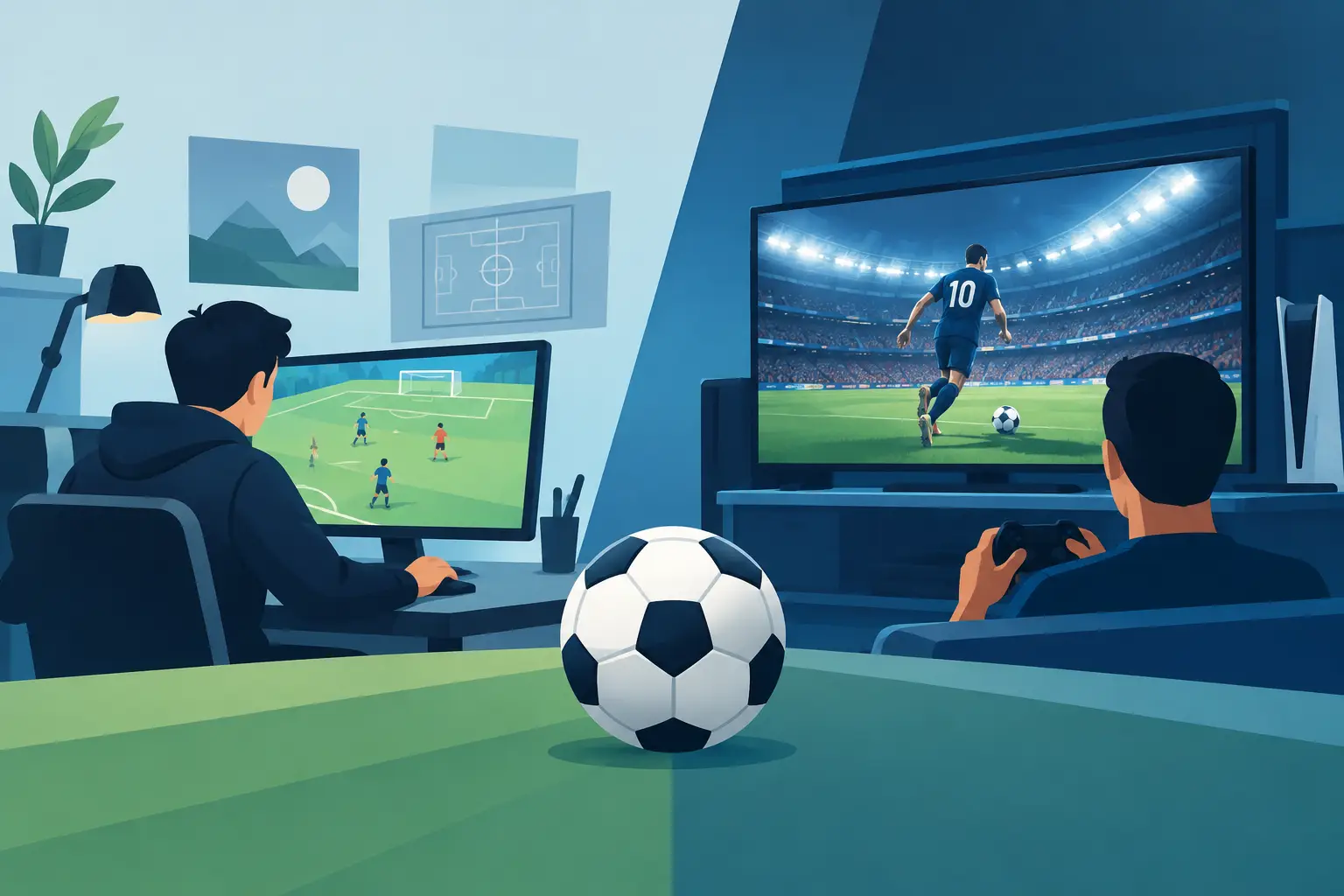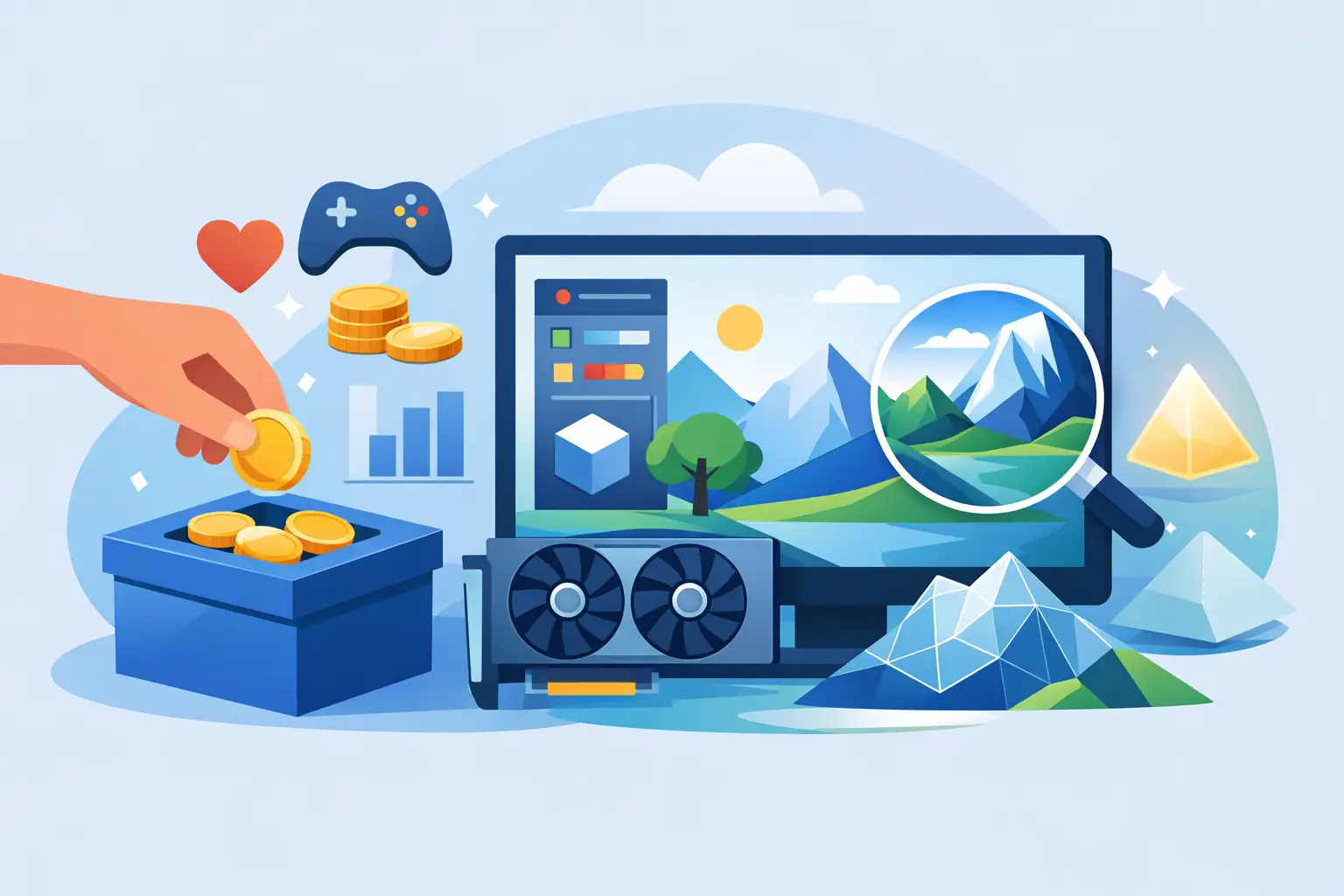
A football game lives or dies on what players see the second the match loads. The stadium atmosphere, player movement, jersey detail, lighting, menus, and visual polish all shape that first impression. That is exactly why people ask how game donations support graphics – because visuals are not a side feature. They are a major part of what makes a new football gaming experience feel exciting, credible, and worth backing.
For an independent project, graphics are built step by step. There is no giant publisher budget sitting in the background. Community support helps turn concepts into visible progress, and visible progress helps a project feel real. When supporters contribute, they are helping move art, presentation, and on-screen quality forward in practical ways.
How game donations support graphics in real development
Graphics work is not one single task. It is a chain of creative and technical work that needs time, skill, software, testing, and iteration. Donations help fund that chain.
That can mean character models for players, visual design for stadiums, crowd elements, uniforms, lighting passes, interface art, textures, motion presentation, and general polish. A football game is especially visual because the sport depends on energy and identity. Fans notice whether a match feels flat or alive. They notice if the field looks believable, if movement reads clearly, and if the overall presentation carries that big-match feeling.
Donations support the people and tools behind that process. In a community-backed project, every contribution helps create room for artists and developers to keep building. That does not mean every dollar instantly produces a finished stadium or fully polished player model. Game development rarely works in a straight line. But support gives a project momentum, and momentum is what turns raw ideas into playable visuals.
Why graphics matter so much in football gaming
Football fans expect emotion on screen. They want pace, identity, atmosphere, and style. Graphics are how a game communicates much of that before a player even learns the controls.
If the visual quality feels strong, the project immediately gains trust. Players start to believe in the experience. If the visual quality feels weak, even good ideas can be overlooked. That is one of the hard truths of game development. Graphics are not the only thing that matters, but they strongly influence how people judge everything else.
In football games, graphics also affect readability. Clear animations help players follow the ball. Strong contrast and field detail improve visibility. Good camera presentation makes the action easier to track. Menus and interface design affect how smooth the overall experience feels. So when supporters help fund graphics, they are not only helping with appearance. They are helping with feel, clarity, and immersion too.
What donations can help fund on the visual side
A lot of people hear the word graphics and think only about surface-level beauty. In reality, graphics work covers much more than flashy screenshots.
Part of the support goes toward building visual assets. That includes players, kits, stadium elements, field textures, crowd details, icons, menus, and branded presentation pieces. Another part can support animation and movement quality, which sits right on the border between visuals and gameplay. If a player turns, runs, shoots, or celebrates in a convincing way, the match instantly feels more alive.
Then there is polish. Polish is where many independent projects either rise or stall. Early versions of a game can prove the concept, but polish is what makes the project look serious. Donations help create the time and resources needed to refine lighting, improve texture consistency, clean up visual effects, adjust menus, and make the whole experience look more cohesive.
That matters because players do not experience a game as separate departments. They experience one complete product on screen. If the graphics, animation, and presentation all work together, the project feels stronger.
Community support creates visible momentum
One of the biggest strengths of donation-backed development is that supporters are not just waiting for a finished product to appear from nowhere. They are helping push the build forward. That creates a different kind of relationship between the project and the community.
When people understand how game donations support graphics, they also understand why their support matters early. Visual development often starts with concepts and rough versions before reaching polished assets. Support at this stage helps make that progression possible. It helps an independent football project keep moving from idea to prototype to stronger presentation.
This model is exciting because it turns fans into active backers of the experience they want to see exist. It is also transparent. Support is voluntary. It is not an investment, and it does not promise a financial return. It is simply a direct way to help build a new football gaming project with a global community behind it.
That clarity matters. It builds trust while keeping the energy high. People know what they are joining – a development journey powered by shared belief in the project.
Graphics funding is important, but it is not isolated
There is a useful trade-off to understand here. Better graphics can help attract attention and build excitement, but a game still needs balanced development across multiple areas. Gameplay, performance, interface, sound, and systems all matter too.
That means donations supporting graphics should be seen as part of a bigger picture, not the only picture. A football game with stunning visuals but weak gameplay will not hold players for long. On the other hand, a game with strong ideas but underdeveloped visuals may struggle to earn attention in the first place.
So the smartest approach is balanced progress. Community support helps make that balance more realistic for an independent team. Instead of leaving visual quality behind, donations can help ensure graphics evolve alongside the rest of the experience.
For a project with big ambition, that balance is essential. A next-generation football entertainment experience needs both identity and playability. Visual quality helps express the identity. Donations help make that progress possible.
Why independent projects benefit so much from donation-backed graphics
Large studios often have built-in resources, larger teams, and established pipelines. Independent projects have to build that momentum from the ground up. That is where community support changes the equation.
A donation-backed model gives fans a direct role in helping a project grow. Instead of waiting for a major publisher to decide what football gaming should look like next, supporters can help back something fresh, global, and original. That is a powerful idea for people who want more from the genre.
It also creates a sense of shared ownership in the journey, even though supporters are not investors and do not receive financial returns. They are contributors in the cultural sense. They are helping make the project real. That emotional connection is a big part of why community-supported development can be so meaningful.
For a brand like Infinity Football, that grassroots energy is part of the mission. The goal is not just to announce a game. The goal is to build a football gaming future with the community involved from the start.
The real value of supporting visual development
People often talk about donations as if they only keep the lights on. In game development, they can do more than that. They can help create the moments that make a project feel alive.
A sharper stadium scene. Better player detail. Cleaner animations. Stronger menu presentation. More visual personality. These are the kinds of improvements that change how a game is perceived and how it feels to play.
There is no magic shortcut. Graphics take work, revision, and investment. Some updates are dramatic, and some are subtle. Some support goes toward visible assets, while some helps pay for the less glamorous work that makes the visuals function properly across the full experience. It depends on the stage of development and the priorities at that moment.
That is exactly why community support matters. It gives an independent project the chance to keep building, refining, and pushing toward a better-looking game that can stand out in a crowded market.
If you believe football gaming can be more exciting, more innovative, and more community-powered, supporting graphics is one real way to help shape that future. Every contribution helps move the project closer to a stronger visual identity, a more immersive matchday feel, and a game world fans can be proud to say they helped build.