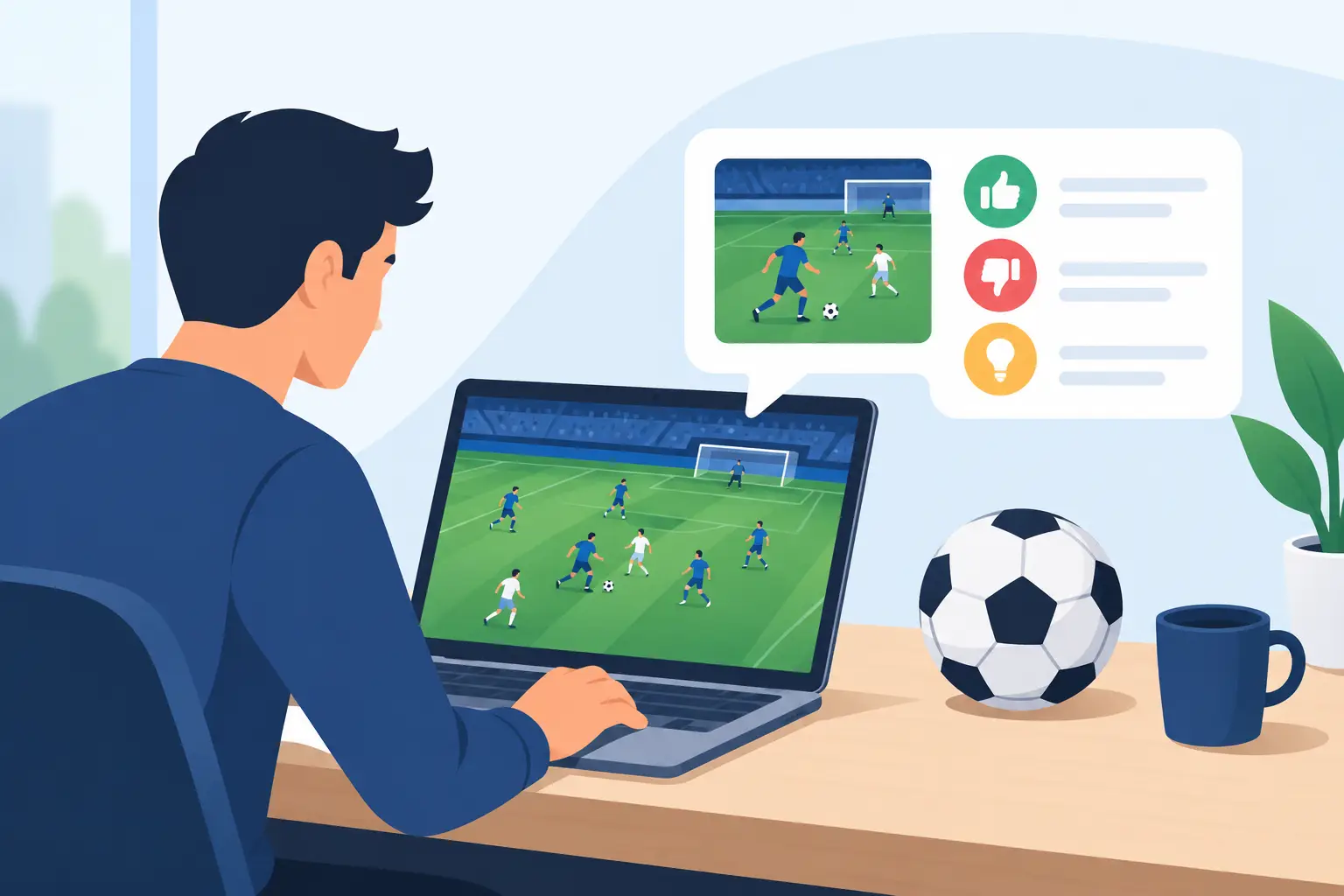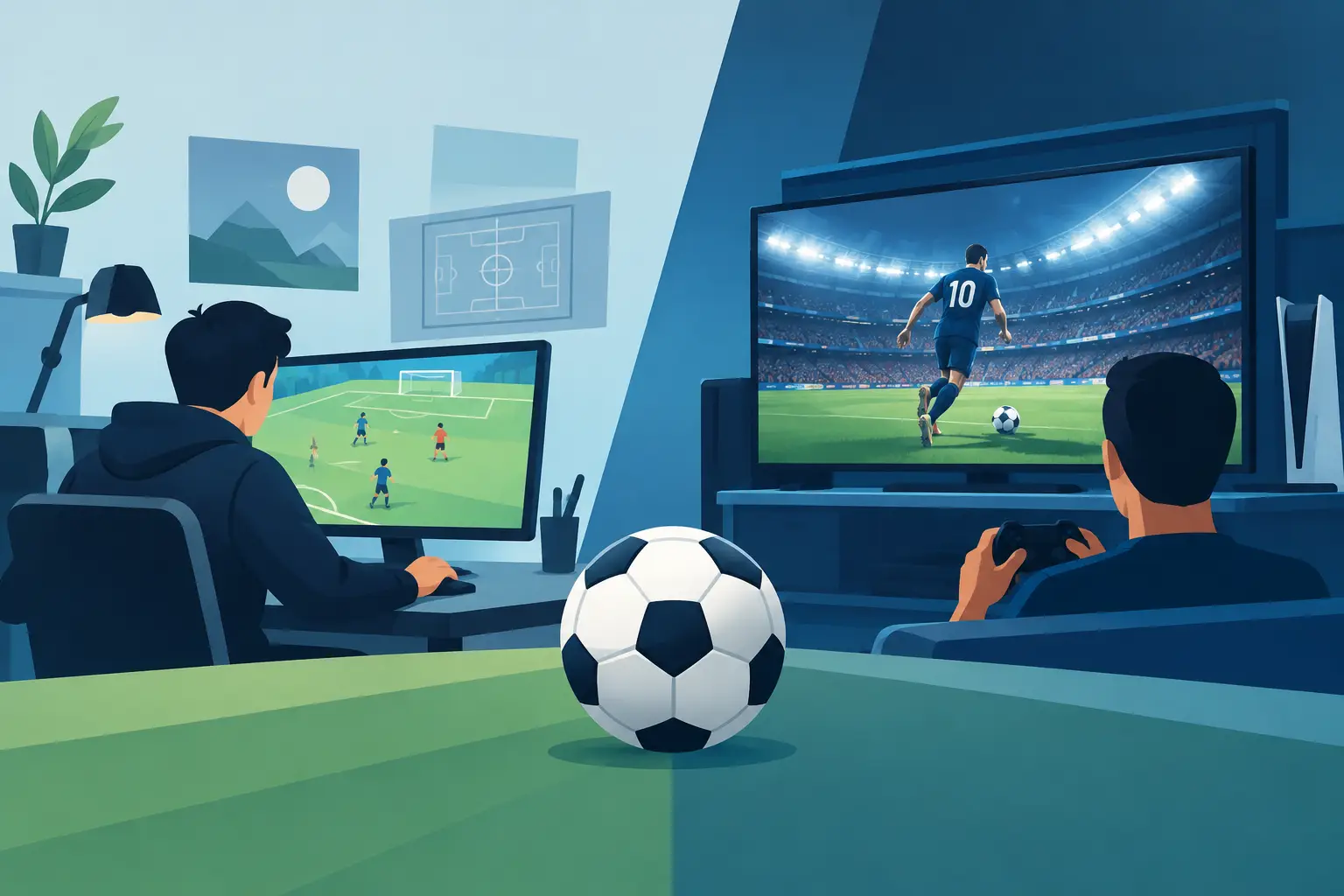
A new sports game usually looks exciting when the trailer drops. What people do not always see is the harder part that comes first – paying for concept art, prototypes, gameplay systems, animation, sound, servers, testing, and months or years of development before launch. That is the real story behind how indie sports games get funded, and it matters because independent teams rarely start with the kind of budget major publishers can throw at a title.
For indie sports developers, funding is not just about money. It is about momentum, trust, and proving there is a real audience ready to support a fresh idea. In a category dominated by giant franchises, independent teams need more than passion. They need a path that keeps the project alive long enough to become something players can actually touch.
How indie sports games get funded in the real world
Most indie sports games are funded through a mix of sources rather than one big check. That mix can change depending on the team, the sport, the game’s scope, and how early the project is. Some studios start with personal savings. Others bring in community support, publisher advances, contract work, grants, or early access revenue.
That blended approach is common because sports games are not cheap to make. Even smaller titles need polished controls, replayable gameplay, clean visuals, and enough depth to feel worth coming back to. A football game, for example, has to do more than look good. It has to feel right when players pass, defend, sprint, and compete. That means funding often needs to cover both creative ambition and technical execution.
The trade-off is simple. The more outside money a studio takes, the more expectations come with it. Sometimes that brings valuable support. Sometimes it limits flexibility.
Self-funding is where many projects begin
A lot of indie sports games start with the founders paying for the first phase themselves. That could mean using savings, income from freelance work, or money earned from earlier projects. This is often enough to build a basic prototype, create visual mockups, and show the idea has real potential.
Self-funding gives developers control. They can shape the game around their vision without answering to a publisher or investor on day one. For a sports title, that freedom can be especially valuable when the goal is to create something different from the mainstream market.
The downside is pressure. Personal funding runs out fast, especially when development stretches longer than expected. A prototype may prove the idea works, but it does not solve the bigger question of how to fund the next stage.
Community backing has become a powerful option
One of the most exciting shifts in game development is that fans can now help bring projects to life much earlier. Community-backed funding can happen through crowdfunding campaigns, direct donations, membership-style support, or ongoing contribution models built around the development journey.
This approach works well for sports games because fandom is already emotional and participatory. People do not just want to play a football game. They want to feel part of something bigger, especially if they believe the project can offer a fresh experience that the biggest companies are not building.
That is why community funding is about more than raising cash. It validates demand. If enough supporters rally around a project, that sends a strong message that the audience exists. It can help a team pay for gameplay development, graphics production, and key milestones while building a real community at the same time.
For brands built around supporter participation, this model fits naturally. A project like Infinity Football reflects that energy – fan-powered, global, and clear about what support means. It is voluntary backing for development, not an investment and not a promise of financial return. That clarity matters because trust is everything when asking a community to help build from the ground up.
Why publishers still matter in how indie sports games get funded
Publishers are still a major part of how indie sports games get funded, especially once a project has something strong to show. A publisher may provide an advance to support development in exchange for publishing rights, revenue share, milestone delivery, or platform commitments.
For an indie sports team, publisher funding can be a huge accelerator. It can cover staffing, marketing, QA, localization, console porting, and launch support. It can also bring experience that a small team may not have in-house.
But this route depends on fit. Publishers usually want evidence that a game has commercial potential. In sports, that can be tricky. If the project is too close to established franchises, it may struggle to stand out. If it is very original, the publisher may worry about market size. The strongest indie sports pitches usually show a clear identity, a playable core, and a believable audience.
There is also a trade-off in control. Publisher support can move a game forward faster, but it may come with deadlines, creative feedback, and pressure to shape the project around broader commercial goals.
Grants, funds, and public support can help
Some indie developers tap into grants, regional funds, or creative industry programs. These sources are less visible than crowdfunding or publishing deals, but they can be meaningful, especially in countries or states with active support for digital media and game development.
Grants can help finance prototypes, hiring, or cultural and technical innovation. For sports games, this route is less common than for art-driven or educational titles, but it is still possible if the project aligns with the goals of the funding body.
The challenge is that grants are competitive and often limited. They also usually cover only part of what a game needs. That makes them useful as fuel, not always as the full engine.
Work-for-hire often funds the dream behind the scenes
A lot of independent studios keep their original sports game alive by doing paid client work on the side. They might build assets, code systems, handle ports, or support other teams while using that income to fund their own project.
This is one of the less glamorous parts of indie development, but it is common. Contract work can keep the lights on without giving up ownership of the game. It also helps studios build experience and relationships.
The problem is speed. If a team is spending part of its week on client work, its own game will likely move more slowly. That can frustrate both developers and supporters. Still, for many teams, slower progress with ownership beats faster progress with total dependency.
Early access and pre-launch sales
Some indie sports games get funded by putting an early version in front of players and earning revenue before the full release. This can happen through early access, founder packs, alpha access, or other pre-launch support models.
When it works, it is powerful. Revenue starts coming in, player feedback improves the game, and the community feels involved in shaping development. For sports titles, that feedback loop can be incredibly valuable because gameplay feel is everything.
But this model only works if the early build is already fun. If the game launches too early, weak first impressions can hurt long-term momentum. Players may support unfinished games, but they still need a reason to believe the project is heading somewhere exciting.
Why the funding model shapes the game itself
Funding is not neutral. It influences what gets built, how fast it gets built, and who the team is building for. A community-backed game may prioritize openness and supporter trust. A publisher-funded game may focus harder on market timing and polish. A self-funded game may stay creatively bold but move at a slower pace.
That is why there is no single answer to how indie sports games get funded. The right model depends on the studio’s goals and the audience it wants to serve. A football game trying to rally a global fan base may benefit from community support early on. A highly commercial sports title with strong traction may be better positioned for a publishing deal. Some teams will combine both over time.
For players and supporters, this is worth paying attention to. The funding path tells you a lot about the project’s priorities. It can reveal whether a game is being built with fans, for a publisher, or under the weight of whatever money happened to be available.
The strongest indie sports projects create belief early
At the center of all of this is belief. Before a game gets fully built, people have to believe in the team, the idea, and the reason it deserves to exist. That belief can come from a prototype, a clear vision, a passionate community, or a development story that feels real and transparent.
Independent sports games do not win by outspending giant franchises. They win by creating a different kind of energy. They give fans a chance to support something new, shape a project earlier, and help push a bold idea into the market.
If you care about seeing more original sports games get made, funding is not some background business detail. It is part of the game before the game. And when fans show up early with real support, they do more than help cover costs – they help make the future of sports gaming more open, more creative, and more exciting.