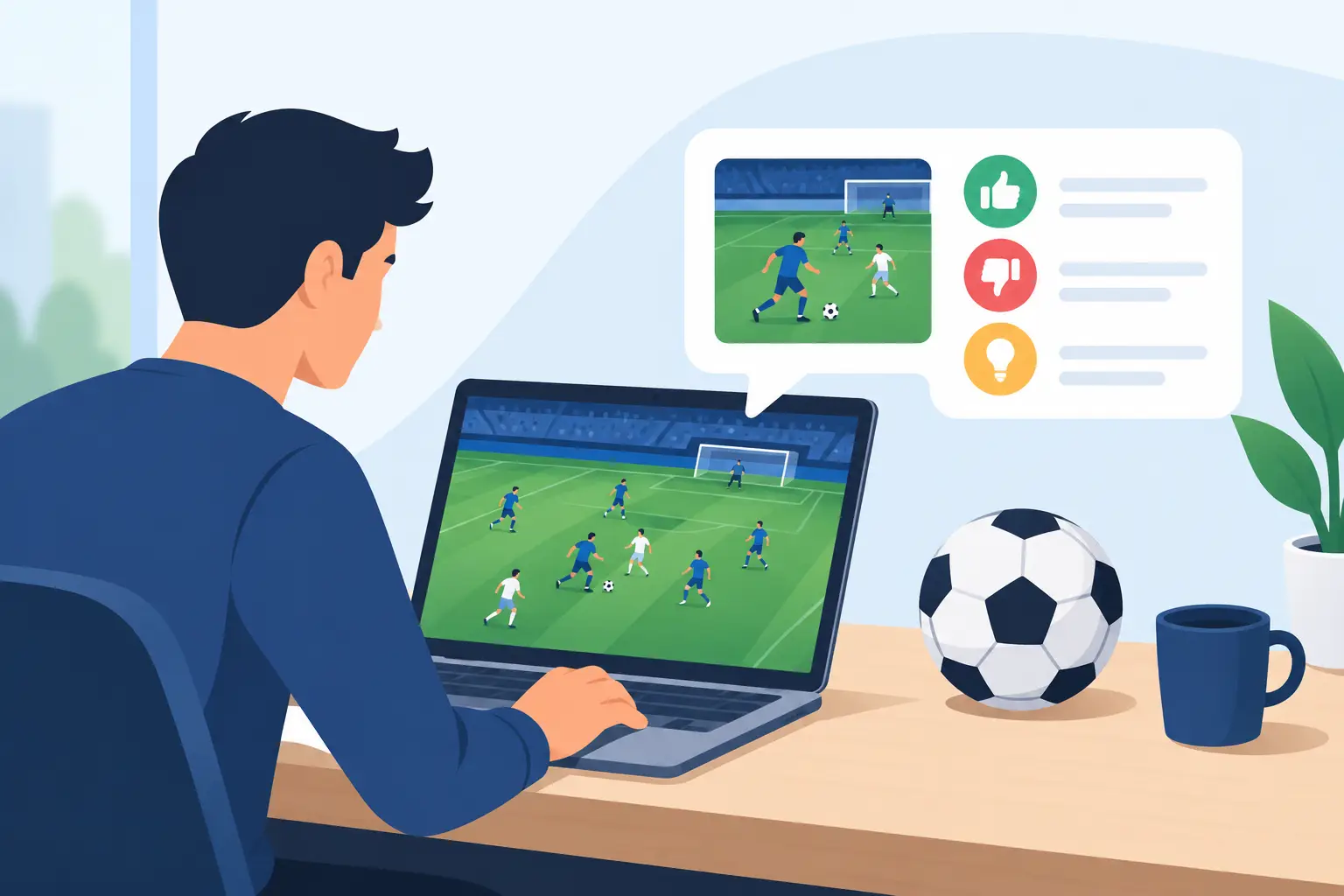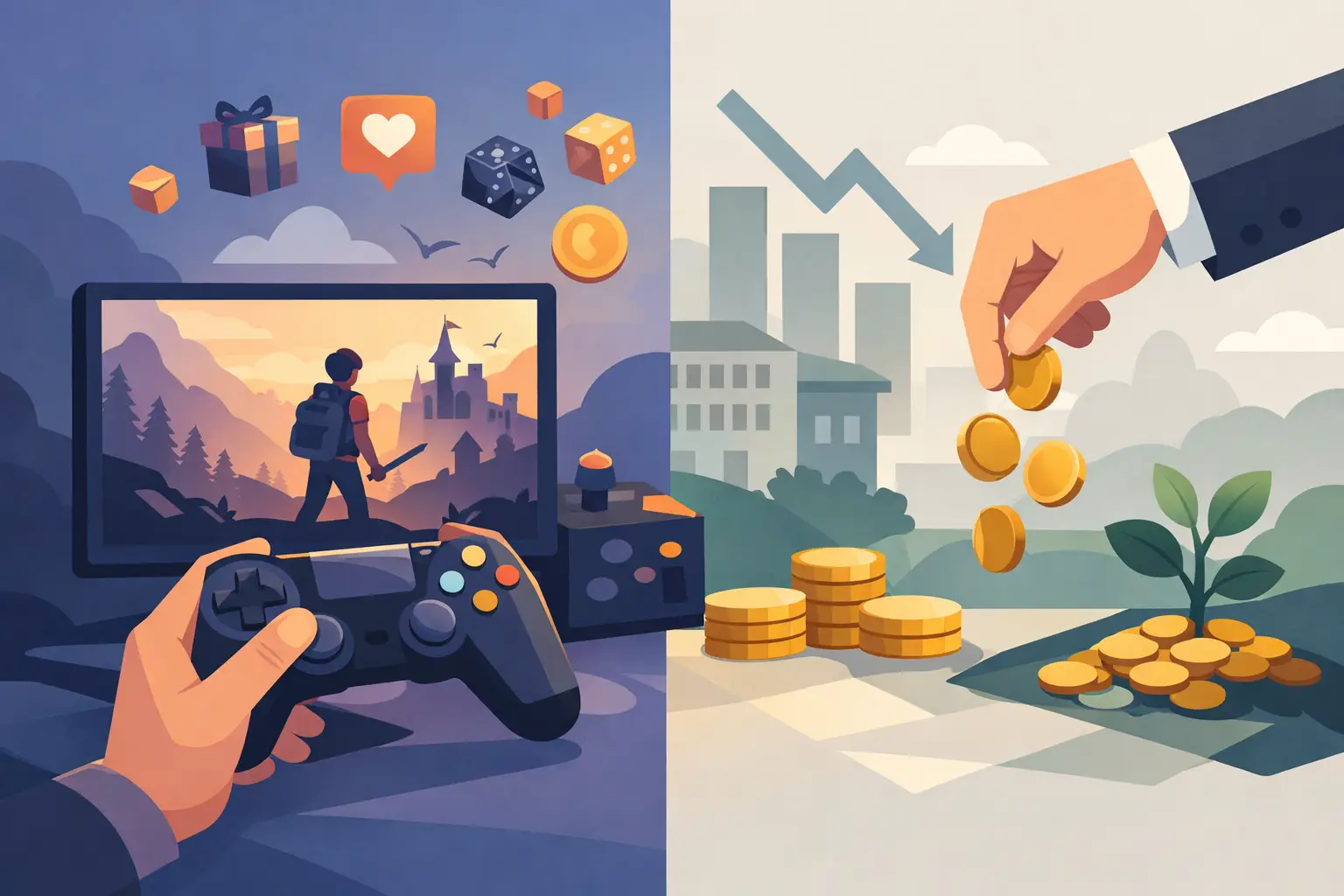
A lot of fans are excited to support new game ideas early, but one question needs a straight answer from the start: is game backing an investment? For a community-supported football game project, the answer is no. Backing is voluntary support for development. It is not a stock purchase, not an ownership stake, and not a promise of financial return.
That clarity matters because excitement can move fast when people believe in a fresh idea. If you love football, gaming, and the chance to help build something original, backing a project can feel meaningful. But meaningful and financial are not the same thing. Supporters are helping bring a game to life, not buying into an asset that pays them back.
Is game backing an investment or support?
The simplest way to look at it is this: investment is about expecting a financial return, while backing is about helping a project happen. If you invest in a company, you usually expect profit, equity, interest, revenue share, or some other monetary benefit. If you back an independent game project, you are choosing to support the creative process because you want to see it exist.
That distinction is especially important in independent digital entertainment. Early-stage projects often rely on passionate communities instead of giant publishers. Fans step in because they want better ideas, more creative freedom, and new experiences in the market. That support can be exciting, innovative, and powerful, but it should still be understood for what it is: participation, not investment.
In plain language, backing means you are contributing to development. Your support may help fund gameplay systems, graphics, production work, and the larger push to build a football gaming experience for a global audience. What it does not do is create a financial claim over the project.
Why people confuse game backing with investing
The confusion usually comes from how people talk about early support. Words like back, fund, support, and contribute can sound close to invest, especially when people care deeply about the outcome. If someone puts money into a project before it is finished, it is easy to assume they are getting a financial stake.
That is not always the case.
In many fan-powered projects, people are really doing something closer to patronage. They are saying, “I want this to be built, and I want to help.” That is very different from saying, “I expect this to generate income for me later.” The motivation may feel serious in both cases, but the legal and financial meaning is not the same.
There is also an emotional side to this. When supporters join early, they often feel connected to the mission. They want to be part of the journey. They may follow progress, share updates, and tell friends about the project. That strong sense of involvement can make backing feel bigger than a normal purchase. But even then, it is still support, not investment, unless the project clearly offers a real financial structure.
What backing a game actually means
When you back a game, you are helping creators move development forward. That may include art direction, gameplay prototypes, technical work, design improvements, and broader production needs. In a football game project, it can also mean helping build a new entertainment experience that reflects what fans actually want to play.
That is where the value lives for supporters. You are not chasing a return on capital. You are helping create something exciting. You are joining a community that believes a fresh football gaming experience deserves to exist.
For many fans, that is enough. They do not need a financial incentive because the real reward is seeing the project gain momentum. They want to say they were there early. They want to support innovation in a space that often feels dominated by the same familiar names. They want to be part of a global movement around football and gaming.
That kind of support has real value, but it is a personal and community value, not an investment return.
Is game backing an investment if the project grows later?
No. A project becoming successful later does not turn earlier support into an investment after the fact.
This is one of the biggest misunderstandings around community-funded development. Some people think, “If I support now and the game gets big, maybe my contribution will count like an early investment.” That is not how it works. If the original support was donation-based and carried no ownership, no revenue share, and no financial rights, then future success does not change that arrangement.
The project may grow. The community may expand. The game may become something huge. None of that automatically creates a financial return for early supporters.
That does not make backing less valuable. It just means the value is different. You are helping launch the vision, not buying a piece of the business.
Why transparency matters in fan-backed gaming
Straightforward messaging builds trust. If a project presents backing as backing, supporters can make informed choices. They know exactly what they are saying yes to. That honesty protects the community and keeps expectations grounded.
This is especially important in gaming, where hype can easily outpace reality. Fans are passionate. They want new ideas to win. They want independent creators to succeed. That energy is a huge strength, but only when it is matched by clear communication.
A transparent project should make a few things easy to understand. Support is voluntary. Contributions help development. There is no investment structure. There is no guaranteed product outcome on a specific timeline unless clearly stated. And there is no financial return attached to backing.
When a brand says that plainly, it shows confidence. It says, “We believe in this vision, and we want supporters who believe in it too.” That approach is stronger than trying to blur the line between enthusiasm and investment.
So why back a football game if there is no return?
Because people support what they want to see in the world.
Football fans know when a space needs fresh energy. Gamers know when a genre needs a new point of view. Backing an independent football game is a way to help create that change directly. Instead of waiting for a major publisher to take the risk, supporters can help push the project forward from the ground up.
That is a different kind of reward. It is about participation, identity, and momentum. You are not standing on the sidelines hoping someone else builds the game you want. You are helping make it real.
For a global community, that matters. Football is bigger than one market, one league, or one style of play. A fan-powered game can reflect that wider spirit. It can be shaped by the people who care enough to support the mission early. That is part of what makes the journey exciting.
Infinity Football is built around that exact idea – supporters helping power development of a new football gaming experience because they believe in the vision, not because they are buying into a financial instrument.
The trade-off supporters should understand
There is no financial upside attached to backing, and supporters should be comfortable with that before contributing. If your goal is to grow money, backing a donation-based game project is not the right fit. If your goal is to help launch an original football entertainment idea and be part of a growing community, then backing can make perfect sense.
That trade-off is healthy when it is made clear. It keeps the relationship honest. The project gets support from people who genuinely want to see it move forward, and supporters know they are contributing because they care about the outcome as fans.
This also creates a stronger community culture. Instead of attracting people focused on returns, it brings in people focused on building. That can lead to better momentum, better engagement, and a more authentic connection around the project.
The better question to ask
Instead of asking only, “is game backing an investment,” ask this: “Do I believe in this project enough to support it as a fan?”
That question gets to the heart of it. If you are excited by the vision, if you want to help an independent football game move closer to reality, and if you understand there is no financial return, then backing is a clear and honest choice.
Some people are looking for profits. Others are looking for a chance to help build something new. If you are in the second group, your support can be part of what turns a bold football gaming idea into a real global experience.
The strongest communities are built by people who know exactly why they showed up.