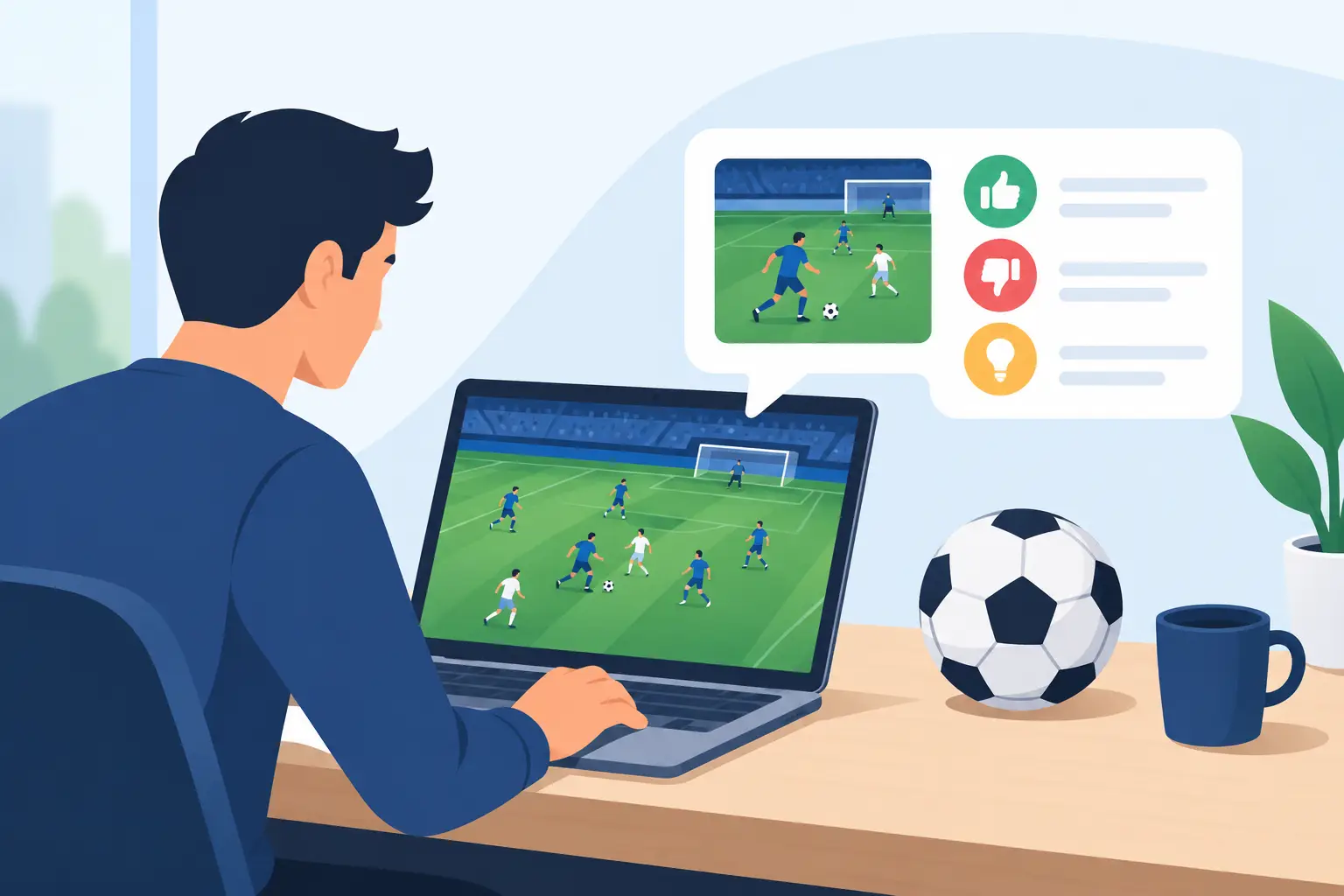
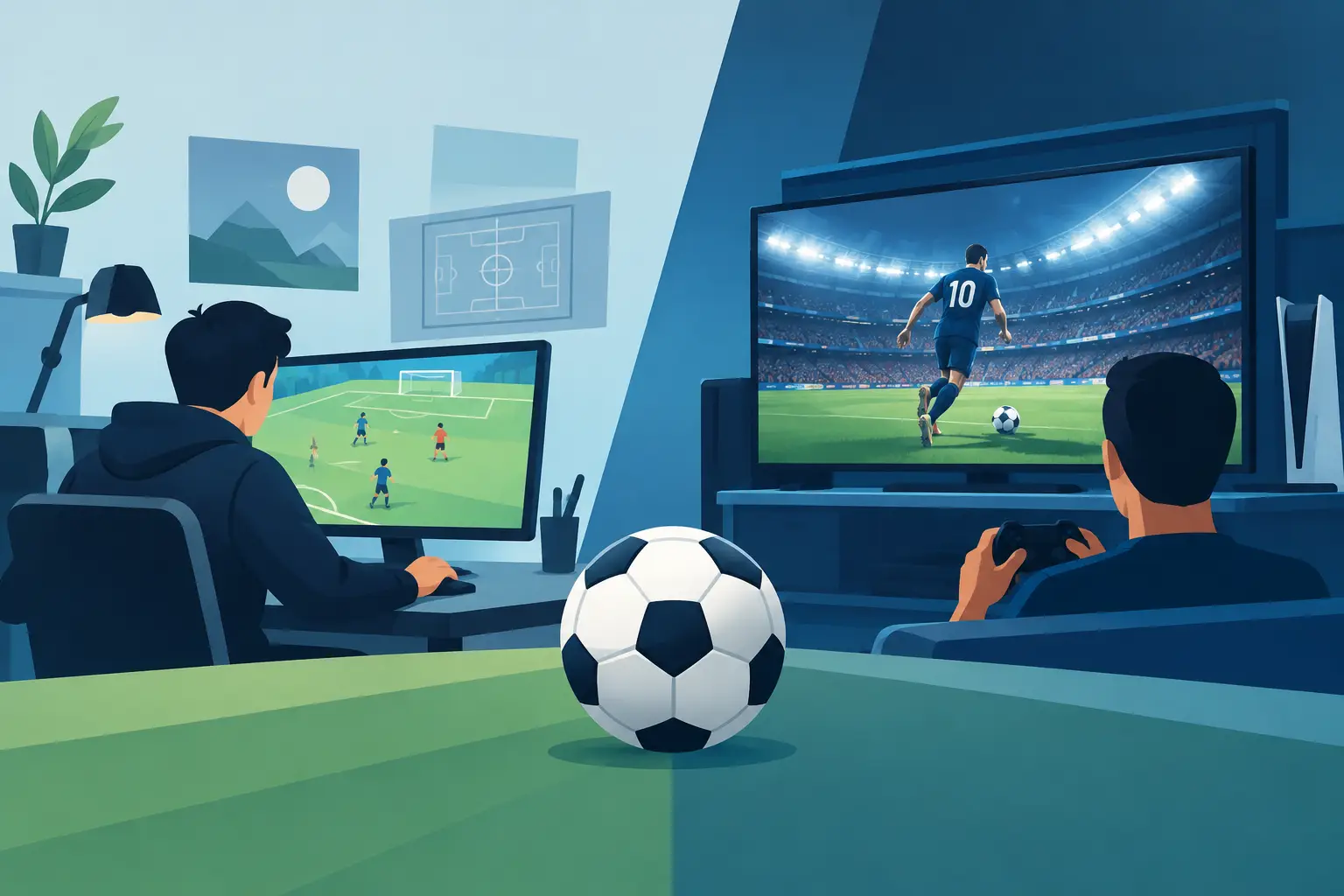
A football game can have smart mechanics and solid controls, but if the visual experience falls flat, players feel it right away. Football game graphics development is where atmosphere, identity, and excitement start becoming real on screen. It is the difference between a match that feels alive and one that feels generic.
For a community-backed football project, graphics are not just decoration. They are proof of momentum. Fans want to see progress they can recognize – better player models, sharper stadium detail, cleaner lighting, smoother animation, and a stronger sense of football culture. Visual development gives supporters something concrete to rally behind because it turns an idea into something people can picture playing.
Why football game graphics development matters so much
Football is emotional. The roar of the crowd, the tension before kickoff, the look of the pitch under stadium lights, the movement of a player breaking into space – all of that shapes how people connect with the game. Graphics carry a huge part of that feeling.
That does not mean a football game needs movie-level realism to succeed. It means the art direction has to match the experience the game promises. Some football titles aim for broadcast-style presentation. Others lean into a more stylized look that feels fast, fresh, and accessible. Both approaches can work. What matters is consistency and quality.
Players notice details fast. They can tell when characters look stiff, when stadiums feel empty, or when the ball movement does not match the visual pace of the match. They also notice when a game has a visual identity of its own. That is especially important for an independent project trying to earn trust in a space dominated by big names.
What goes into football game graphics development
When most people think about graphics, they think about how pretty the game looks. That is only part of it. Football game graphics development includes the entire visual system that supports gameplay, presentation, and immersion.
Player models and animation
Players are the center of every match, so they need to feel believable. That starts with body proportions, movement style, kit fit, and facial quality if the game is aiming for close-up presentation. But realism is not only about visual detail. Animation matters just as much.
A football game can have high-resolution characters and still feel wrong if running, turning, tackling, and shooting look unnatural. Smooth transitions between movement states are a big part of visual quality because football is a constant flow of motion. Players want action to look responsive, not robotic.
Stadiums, crowds, and match atmosphere
The pitch is the stage. Stadium geometry, lighting, crowd density, banners, shadows, weather effects, and camera presentation all work together to create energy. Even small choices matter. A stadium that feels too clean or too static can make a match feel lifeless.
This is one of the biggest trade-offs in development. More visual detail can create a stronger atmosphere, but it also takes more time, more performance testing, and more optimization. For an independent football game, choosing where to focus first is a practical decision, not just an artistic one.
Lighting, materials, and surface quality
Lighting can make a good model look great or a great model look average. The shine on boots, the texture of the grass, the way jerseys react under floodlights, and the contrast between a sunny afternoon match and a rainy evening match all help define the visual tone.
Material work is often underrated by players because when it is done well, it feels natural. But it changes everything. Skin, fabric, turf, metal, plastic, and the ball itself all need different responses to light. Without that, the whole world can feel flat.
Menus, overlays, and visual identity
Graphics are not only what happens during gameplay. Menus, scoreboards, transitions, icons, team selection screens, and presentation overlays also matter. These elements shape the first impression and can give a football game its own personality.
For a new project, this is a real opportunity. Big publishers often rely on polished but familiar design language. An independent brand can build something more distinctive if it stays clear, modern, and true to the football audience.
The challenge: looking great while still running well
This is where football game graphics development becomes more than an art conversation. A football match has 22 players, a large field, crowd systems, camera changes, physics interactions, interface elements, and often online demands. That is a lot happening at once.
If the visual ambition is too high for the technical setup, performance suffers. Frame rate drops, animation hitches, and long load times can damage the experience fast. Most players would rather have a smooth, exciting match than a beautiful one that stutters every few seconds.
That is why optimization is part of graphics development from the start, not something added at the end. Teams have to think about texture sizes, lighting methods, animation complexity, and level of detail systems early on. The goal is not to lower ambition. The goal is to build smart so the game feels good in motion.
Why art direction matters more than pure realism
A lot of football fans say they want realism, and many do. But what they often mean is credibility. They want the game to feel like football. That can come from realistic visuals, but it can also come from strong art direction, clean presentation, and convincing movement.
This is good news for independent creators. Competing directly with massive production budgets on visual realism alone is difficult. Building a recognizable style with energy, clarity, and strong match atmosphere is more achievable – and often more memorable.
A focused visual identity also helps a project communicate progress. Supporters can see what the game is becoming. They do not need every part to be finished to understand the direction. That matters in a community-driven project, where belief grows through visible steps.
Football game graphics development and community support
For a grassroots football project, visual progress has a direct relationship with community momentum. When people support development, they want to know that the game is moving forward. Graphics updates are one of the clearest ways to show that movement.
A better player model, an upgraded stadium scene, improved lighting, or more polished match presentation tells a story without needing a long technical explanation. It says the project is growing. It says the vision is getting sharper. It says supporter backing is helping build something exciting.
That is one reason this work matters beyond pure aesthetics. Graphics help turn supporters into believers. They give fans something to share, react to, and discuss. In a global football audience, that kind of visible progress can create real energy around a project.
At Infinity Football, that community-driven spirit is central to the mission. Support is voluntary, it does not offer financial returns, and it is about helping build a new football entertainment experience from the ground up. That kind of transparency matters because people want excitement, but they also want honesty.
What fans should look for in visual progress
Not every update needs to be flashy. In fact, some of the most important progress is subtle. Cleaner movement, better lighting balance, improved camera flow, and stronger interface design can all raise quality in ways players feel immediately.
Fans should also look for consistency. Does the visual style feel connected across gameplay, menus, and presentation? Do player movements match the speed of the match? Does the stadium atmosphere support the emotional tone of football? These are signs that development is becoming more mature.
It also helps to be realistic about stages. Early builds usually show potential more than polish. That is normal. What matters is whether the direction is exciting and whether updates suggest thoughtful improvement rather than random changes.
The bigger picture for a new football game
Football game graphics development is not just about making screenshots look impressive. It is about building trust, emotion, and identity. It helps a project stand out. It gives supporters a visible sense of progress. And it shapes how every pass, sprint, tackle, and goal feels to the player.
For fans who want something fresh in football gaming, this part of development is worth paying attention to. Graphics are where ambition starts becoming visible. And when a global community gets behind that process, each improvement feels bigger than a design update – it feels like one more step toward a game people helped bring to life.
If you believe football deserves new energy, new ideas, and a new community-backed path forward, paying attention to the visuals is a smart place to start – because that is often where the future first comes into view.