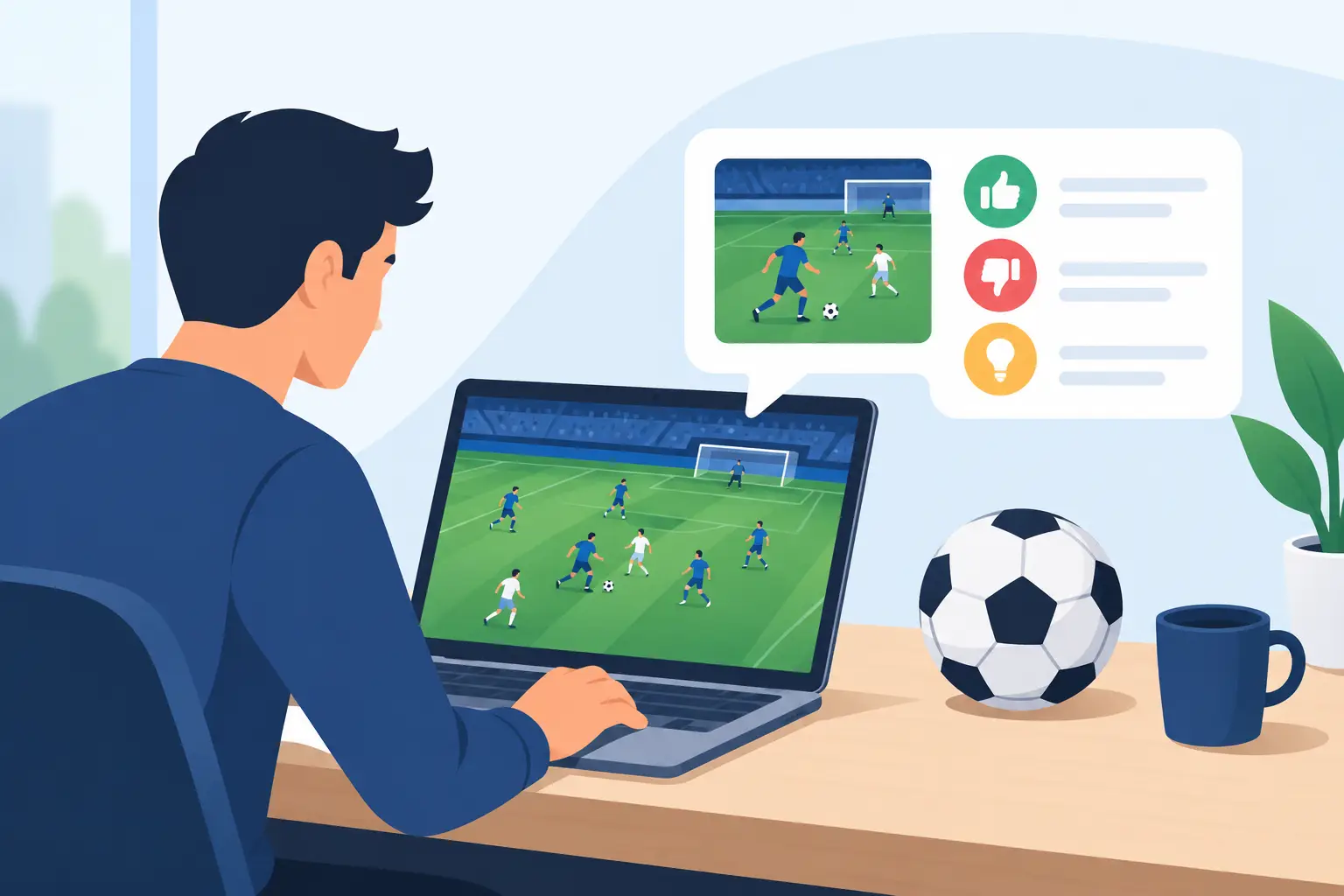
A new football entertainment project should feel bigger than another logo, another teaser, or another promise. It should feel like momentum. It should give football fans and gamers a real chance to help build something exciting from the ground up instead of waiting for a major studio to decide what comes next.
That shift matters because football culture is already global, social, and deeply personal. Fans do not just watch matches. They debate tactics, follow players, share clips, play games, and imagine better ways to experience the sport online. A strong football entertainment project speaks directly to that energy. It turns passion into participation.
What makes a football entertainment project different
A football entertainment project is not only about shipping a game. It is about creating an experience that grows with the community supporting it. That means the vision starts with football, but it expands into something more interactive, more inclusive, and more connected to the people who want to see it exist.
For many fans, that is the exciting part. Traditional sports games usually arrive as finished products shaped behind closed doors. You buy them when they are done. An independent project works differently. Supporters join earlier. They back development because they believe in the idea, the direction, and the chance to help move a fresh football concept forward.
That does not mean every independent project automatically succeeds. Building anything worthwhile takes time, consistency, and trust. But when the mission is clear and the community understands what it is supporting, a grassroots model can create real momentum. It gives fans a role beyond consuming content. They become part of the push.
Why fans want more than the usual football game cycle
Football fans are not short on entertainment. The real issue is sameness. Too often, the market feels predictable. Big releases dominate attention, but many players still want something different – a new creative angle, a stronger community identity, or a project that feels less corporate and more fan-powered.
That is where an independent football concept becomes powerful. It speaks to people who want to support innovation, not just react to it. It gives casual gamers, football followers, and digital supporters a simple proposition: if you want a fresh football gaming experience to exist, you can help make it happen.
There is also an emotional side to this. Being early matters. Supporting a project before it becomes widely known feels personal. It creates a sense of shared ambition that is hard to replicate once a title is already fully built and marketed at scale. People want to say they were there when it started. They want to help create the energy, not just arrive after it is finished.
Community support is the engine
The biggest strength behind a modern football entertainment project is community-backed development. That approach is straightforward. People who believe in the vision can contribute fixed-dollar or custom amounts to support gameplay development, graphics production, and the broader creative process.
Just as important, the structure should be transparent. Support is voluntary. It is not an investment. There is no financial return attached to participation. That clarity builds trust because it keeps the relationship honest. Fans are supporting development because they want the project to move forward, not because they expect profit.
For the right audience, that is not a drawback. It is the point. Supporters are backing creativity, momentum, and possibility. They are saying yes to a new football experience they want to see in the world.
That kind of model also fits how digital communities already behave. People support creators, independent media, game concepts, and entertainment ideas every day when they believe the work deserves to exist. A football project built with that same spirit can feel more alive than a polished campaign that only appears when the selling starts.
The real appeal of building a football game with fans
When people hear about a community-backed sports game, they sometimes assume the appeal is only financial access. It is bigger than that. The real appeal is involvement. Fans want to feel close to the journey. They want to be part of something innovative and global, especially in a category as emotionally charged as football.
That does not mean every supporter needs technical details or a full production breakdown. Most do not. What they want is simple. They want a clear vision, a believable mission, and visible forward motion. They want to know their support is helping build gameplay, visuals, and the foundation of a project with real ambition.
This is where brand energy matters. A football entertainment project has to communicate confidence without pretending the work is already complete. It should feel bold, but also real. Excitement draws people in. Transparency keeps them there.
Infinity Football fits that space by presenting the project as exactly what it is – an independent, community-supported effort to help create a next-generation football entertainment experience. That framing matters because it respects the audience. It invites people to join the build, not buy into hype.
A global football audience needs a global mindset
Football is one of the few forms of entertainment that instantly crosses borders. That changes how a football entertainment project should think about audience from day one. The opportunity is not limited to one local fan base or one narrow gaming niche. The audience is worldwide, and the strongest projects act like it.
A global mindset means the tone should be inclusive. The message should be simple enough for broad appeal but strong enough to energize dedicated supporters. Fans from different countries, age groups, and gaming habits can still rally around the same core idea: help build a fresh football game experience.
There is a trade-off here, of course. Broad appeal can sometimes water down identity if the message becomes too generic. That is why the project needs a clear point of view. It cannot just say football is popular. It has to say why this specific idea deserves support now.
The best answer is participation. Not everyone can design a game. Not everyone can publish one. But a global audience can absolutely help power one forward if the mission is exciting enough and the path to support is clear enough.
What supporters are really backing
People are not only backing graphics or gameplay systems. They are backing belief. They are backing the chance for an original football idea to move from concept to reality through community energy.
That matters because independent entertainment lives or dies on belief early on. Before there is a finished product, there is vision. Before there is scale, there is trust. Supporters help bridge that gap.
Some will join because they love football culture. Others will join because they are gamers looking for something new. Some simply like supporting independent digital entertainment that feels ambitious and fresh. Those motivations are different, but they all lead to the same action: helping build something exciting before the rest of the market catches up.
The strongest projects make that action feel direct and meaningful. They do not overcomplicate the ask. They say what the project is, what support helps fund, and why community participation matters. Then they keep moving.
Why this model fits the moment
Fans are more comfortable than ever supporting projects they believe in directly. They already understand digital communities. They already know how online momentum works. They are used to following creators, backing ideas, and joining early when something feels promising.
A football entertainment project fits that behavior naturally. It combines fandom, gaming interest, and digital participation in one place. That is a strong mix, especially for people who want more than passive entertainment.
It also creates a different kind of relationship between brand and audience. Instead of talking at supporters, the project grows with them. That does not remove the hard work of development. It just gives that work a more human center.
And yes, it depends on execution. Community-backed energy only lasts when the project keeps communicating with purpose and keeps earning belief. But when that happens, support becomes more than a transaction. It becomes a statement that fans still have the power to help shape the future of football gaming.
A great football entertainment project gives people a reason to care early, support clearly, and stay connected to something they want to see become real. If that idea excites you, this is the moment to be part of building it.