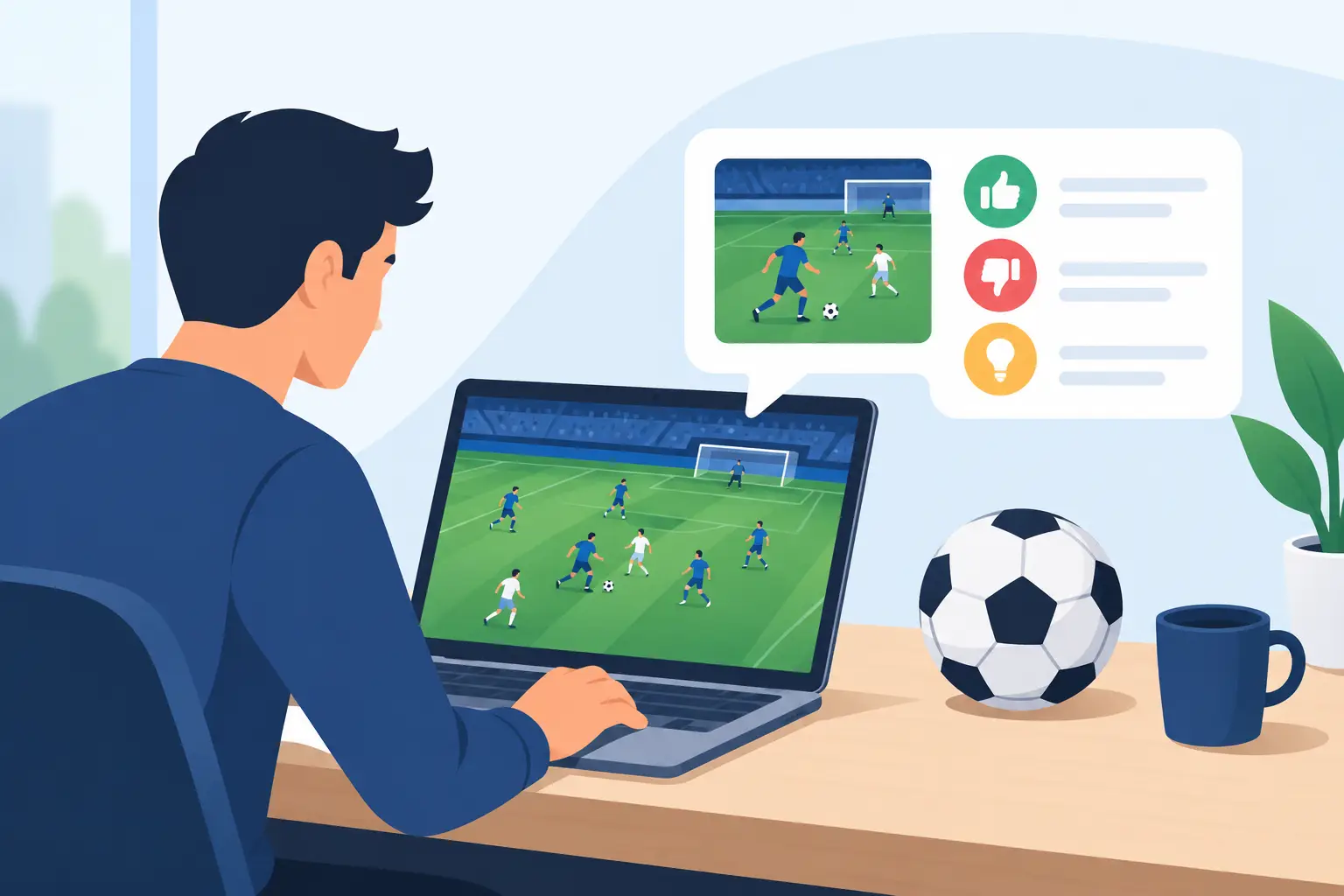
A football game does not earn real attention just because it has licensed teams, flashy menus, or a big launch trailer. It earns attention when people care enough to talk about it, challenge it, defend it, and help shape what comes next. That is why the football gaming community matters so much. It is where excitement becomes momentum, where feedback becomes better gameplay, and where fans stop acting like spectators and start becoming part of the build.
For years, football gamers have been asked to wait, buy, and adapt. A publisher announces a title, players react, and the cycle repeats. But the mood has changed. More fans want a voice earlier. They want to support fresh ideas, rally around independent projects, and help create something that feels built with them, not just sold to them. That shift is exciting because it opens the door to a more global, more inclusive, and more fan-powered future.
What makes a football gaming community strong
A strong football gaming community is not just a comment section filled with hot takes after a trailer drops. It is a living group of players, supporters, creators, and football fans who keep showing up. They care about gameplay feel, visual identity, realism, fun, competition, and culture. They want a game that respects football, but they also want an experience that respects their time and passion.
The strongest communities usually share three things. First, they have energy. People are excited to discuss ideas, react to updates, and bring others in. Second, they have a sense of ownership. Not ownership in a financial sense, but in the emotional sense. They feel connected to the journey. Third, they have room for different types of fans. Some want fast, fun matches. Others want tactics, authenticity, and depth. A healthy community makes space for both.
That balance matters. If a project listens only to the loudest competitive players, it may lose casual fans who just want an entertaining football experience. If it focuses only on broad appeal, serious players may feel ignored. The best path is not choosing one side. It is building a community that can hold both styles of interest and keep moving forward together.
The football gaming community is changing the rules
The old model was simple. Big studios built. Players reacted. Now the football gaming community is becoming part of the early process. Fans are no longer waiting quietly at the end of development. They are asking questions earlier, backing ideas earlier, and forming opinions earlier.
This changes the pressure on game creators, but in a good way. When a project grows with community support, the conversation becomes more direct. People want transparency. They want to know what is being built, why decisions are being made, and how their support helps move development forward. That does not mean every suggestion should become a feature. It means the relationship is more honest.
This model also creates a different kind of excitement. Supporting a project early feels personal. You are not just reacting to a product that already exists. You are helping make space for a new football experience to exist in the first place. For many fans, that is more meaningful than simply preordering the next familiar release.
There is a trade-off, of course. Independent and community-backed development can feel less polished in its early stages than massive publisher campaigns. Updates may be more selective. Timelines may require patience. But that is part of the reality of building something original. For supporters who care about fresh ideas and long-term potential, that trade-off can be worth it.
Why fans want more than another standard release
Football culture moves fast. Gaming culture moves even faster. Fans are constantly comparing gameplay clips, discussing mechanics, debating realism, and sharing what they wish existed. That creates a huge opportunity for new projects that actually listen.
Many players are not looking for perfection on day one. They are looking for direction. They want to see that a game has ambition, identity, and a community behind it. They want to feel that their support matters. A football gaming community gives a project that pulse.
This is especially true for younger digital audiences and global fans who spend a lot of time online. They are used to participating. They follow creators, join discussions, support projects, and help spread ideas. They do not always want a one-way relationship with entertainment brands. They want interaction.
That is why community-backed football gaming feels timely. It matches the habits people already have. They want to be early. They want to be part of the conversation. They want to say they supported something exciting before everyone else noticed it.
Building a game with community support feels different
When people voluntarily support development, the energy around a project changes. Support is not a purchase of stock, and it does not create financial returns. It is a straightforward way for fans to help fund progress because they believe in the vision. That clarity matters. It keeps the relationship honest while still making participation feel powerful.
For a project like Infinity Football, that kind of support is about helping move gameplay development, graphics production, and the wider football entertainment experience forward. Fans are not being asked to sit on the sidelines and wait for a finished product to appear. They are being invited into the journey.
That invitation can create real momentum. People who support early often become the first advocates. They tell friends, share updates, and help grow the audience. In many cases, community growth becomes just as valuable as funding because it proves there is real demand for a new football gaming idea.
Still, community support works best when expectations are realistic. Enthusiasm should be high, but communication should stay grounded. Not every idea can happen at once. Not every request can shape the roadmap. What matters is consistent progress, clear intent, and a visible commitment to building something worth backing.
How a football gaming community helps shape better games
A passionate community can improve a football game in ways that no closed room of decision-makers can fully predict. Fans notice things quickly. They can tell when movement feels stiff, when match flow feels off, or when a visual style does not match the energy of the sport. They also know when something clicks.
That kind of reaction is valuable because football is emotional. It is not just about systems and controls. It is about rhythm, identity, tension, momentum, and moments. A strong community helps creators understand whether a game is actually capturing that feeling.
Community input also helps reveal what different audiences want. One group may care most about accessibility and instant fun. Another may want more tactical expression. Another may care about atmosphere and authenticity. These needs can pull in different directions, which is exactly why community conversation matters. It helps creators see the full picture instead of building for a narrow slice of players.
No community should become the design team by committee. That usually leads to confusion. But a football gaming community can absolutely sharpen priorities, expose weak points, and confirm where excitement is real. Used well, feedback is not noise. It is signal.
The future belongs to projects people believe in
The next big shift in football gaming may not come only from scale. It may come from belief. Belief from fans who want a fresh option. Belief from players who are ready to back a new idea. Belief from a global audience that wants football entertainment to feel more open, more connected, and more driven by community energy.
That is what makes this moment interesting. A football game no longer needs to begin with massive corporate distance from the people who will play it. It can begin with supporters. It can begin with conversation. It can begin with a shared mission to build something exciting from the ground up.
For fans, that is a real opportunity. You are not just waiting for the future of football gaming to show up on a store page. You can help push it forward while it is still being built. If you care about new ideas, global participation, and the chance to support an independent football entertainment project with real ambition, this is the kind of movement worth paying attention to.
The most exciting games are not always the ones with the biggest noise at launch. Sometimes they are the ones that gather real people around a clear vision and keep building with purpose – one supporter, one update, and one shared goal at a time.