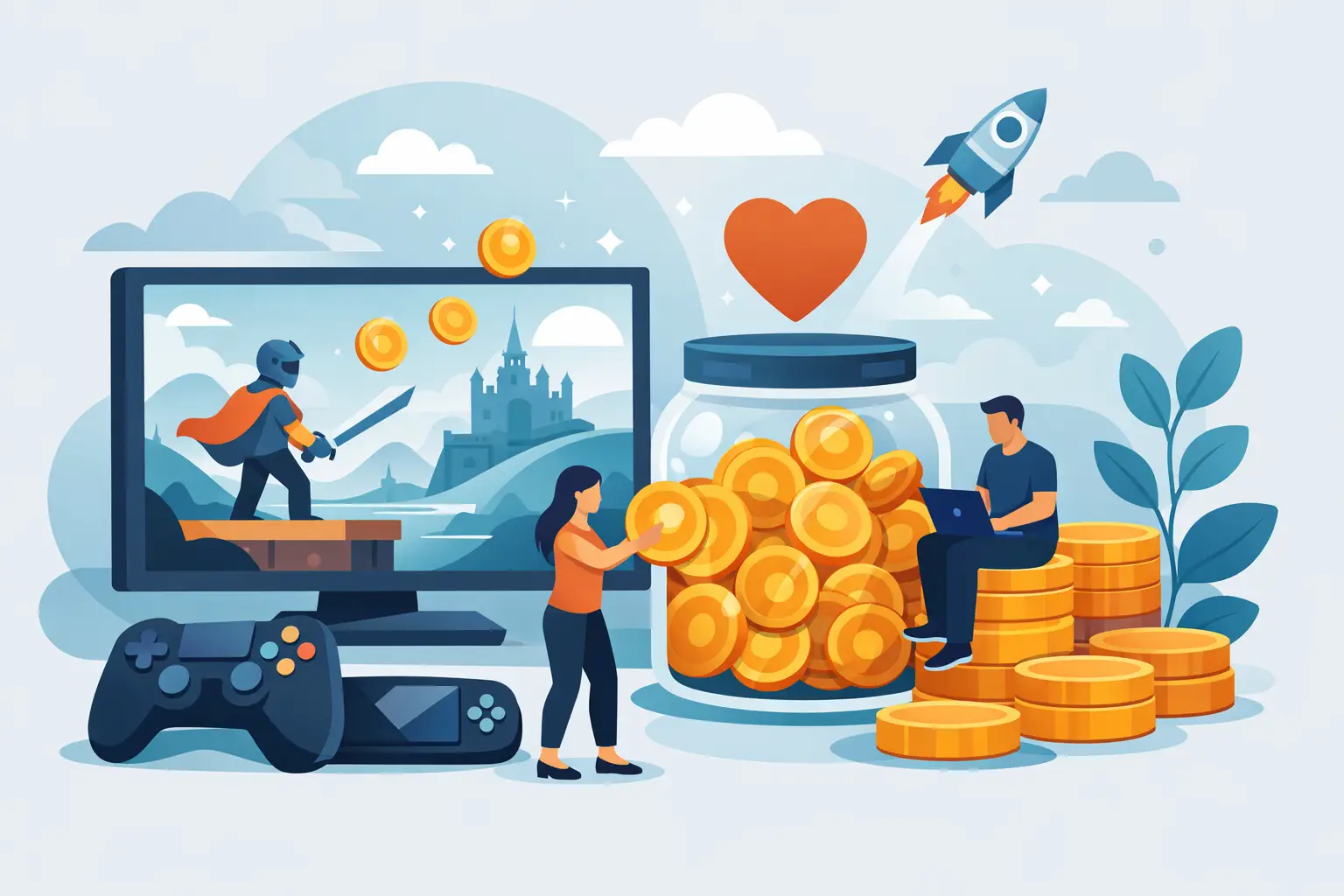
A lot of game ideas never make it past the concept stage. Not because the audience is not there, but because funding is. That is exactly why people ask, what is supporter funded gaming – and why the answer matters more now than ever for fans who want fresh experiences instead of the same recycled titles.
Supporter funded gaming is a model where a game is developed with voluntary backing from a community of supporters rather than relying only on a major publisher, outside investors, or traditional commercial financing. In simple terms, fans help fund the creation of a game they want to see exist. They are not buying stock, and they are not promised financial returns. They are choosing to support development because they believe in the project, the vision, and the community behind it.
For football fans and gamers, that model is especially exciting. Sports gaming has often been dominated by a small number of big names. Supporter funded gaming opens the door for independent creators to build something different, something more connected to the people who actually want to play it.
What is supporter funded gaming in simple terms?
Think of it as community-powered game development. Instead of waiting for a giant publisher to approve a budget, an independent project invites supporters to contribute directly. Those contributions can help cover art, coding, gameplay systems, animation, testing, infrastructure, and the many other moving parts that go into building a game.
The key point is that support is voluntary. People contribute because they want to help bring the project to life. In most cases, this is not an investment product. It is not a way to earn profits later. It is participation through support.
That distinction matters. A supporter is backing creation, not purchasing ownership. The relationship is closer to helping launch a creative project than buying into a company. When that is communicated clearly, the model can be powerful, honest, and community-first.
Why supporter funded gaming is growing
Players are more engaged than ever, but they are also more selective. Many fans want new ideas, stronger community identity, and games that feel built with passion instead of just market research. Supporter funded gaming speaks directly to that shift.
It gives independent projects a real path forward. A small team with a strong concept can start building momentum without needing to win over a traditional gatekeeper first. If the idea connects with people, support can begin early. That early backing does more than raise money. It proves demand.
There is also an emotional reason this model keeps growing. People like being part of something from the beginning. Supporting a game in development can feel more meaningful than simply buying a finished title off a digital storefront months or years later. It turns passive interest into active participation.
For a football game, that can be a huge advantage. Football is already global, emotional, and community-driven. A supporter funded project taps into that same energy. Fans are not just watching from the sidelines. They are helping move the project forward.
How supporter funded gaming actually works
At its core, the process is straightforward. A game project presents its vision, explains what it is building, and invites supporters to contribute fixed amounts or custom donations. Those funds are then used to support development.
What supporters receive depends on how the project is structured. Sometimes the main return is simply the chance to help make the game real. In other cases, supporters may get updates, early visibility into progress, community recognition, or other non-financial benefits. The important part is transparency. People should understand exactly what support means and what it does not mean.
That is where trust becomes everything. Supporter funded gaming only works when the project is clear about its goals, honest about its stage of development, and realistic about the fact that game creation takes time. There is excitement in this model, but there also needs to be clarity.
What supporters are really paying for
When someone contributes to a supporter funded game, they are helping fund the work behind the scenes. That includes the visible parts players care about, like gameplay feel and visuals, but also the less glamorous work that makes a game functional and playable.
A football game, for example, may need support for player movement systems, match logic, environments, interface design, audio work, performance testing, and ongoing development improvements. Even a focused independent project requires a serious amount of creative and technical effort.
That is why supporter funding is not just about money changing hands. It is about giving a project enough fuel to keep building. Every contribution helps push development forward, even if supporters never see every single task involved.
The difference between supporter funding and buying a game
This is where people can get confused, so it helps to keep it simple. Buying a game usually means paying for a finished or nearly finished product. Supporter funded gaming is different because the support often comes before the final product exists.
You are backing the development journey. That means there may be uncertainty. Features can evolve. Timelines can shift. The final result is still being built.
That does not make the model weak. It just means expectations need to match reality. If someone wants guaranteed delivery on a specific date with the certainty of a completed retail product, traditional game purchasing is a better fit. If someone wants to help an independent game get made in the first place, supporter funding makes much more sense.
The trade-offs of supporter funded gaming
There is real upside here, but it is not magic. Supporter funded gaming gives independent ideas a chance, builds stronger community connection, and creates space for innovation. At the same time, it comes with risk and patience.
Development can take longer than supporters hope. Independent projects may have fewer resources than major studios. Some ideas will evolve as the team learns what is possible. That is normal in game creation, but supporters need to understand it going in.
On the positive side, this model can produce games with more identity. Without heavy publisher pressure, a project may have more freedom to build for its actual community. That often leads to a more authentic experience, especially in niche or under-served spaces like fresh football entertainment concepts.
So is supporter funded gaming better than traditional publishing? It depends on what you value. If you care most about polish at launch and large-scale production budgets, traditional systems still have advantages. If you care about originality, community backing, and helping bring a new idea to life, supporter funding can be far more exciting.
Why this model fits football gaming
Football is bigger than a genre. It is culture, identity, rivalry, loyalty, and global energy. That makes it a natural fit for supporter funded gaming.
Fans already understand what it means to back something they believe in. They support clubs, players, creators, and communities every day. Bringing that same spirit into game development feels natural. Instead of waiting for the next corporate release cycle, supporters can get behind a new football gaming vision and help build momentum from the ground up.
That is what makes this model feel different. It is not just transactional. It is collective. It gives football fans a chance to say, we want a new kind of experience, and we are willing to support its creation.
For an independent project with global ambition, that community energy can be the foundation. It can help shape awareness, build credibility, and create a base of early supporters who care about the mission, not just the final download button.
What to look for before supporting a project
If you are thinking about backing a game, look for clarity first. The project should explain what it is building, why support is needed, and how contributions fit into development. It should also be honest about the fact that support is voluntary and does not create financial ownership or guaranteed profit.
You should also look at tone and consistency. Does the project sound serious, focused, and transparent? Does it feel like a real effort with a real vision? Supporter funded gaming works best when the community feels informed and respected.
That does not mean every project needs massive technical detail. In fact, many supporters simply want a clear concept, an exciting mission, and confidence that the team is genuinely building. The balance is simple: enough information to create trust, enough momentum to inspire action.
What is supporter funded gaming really about?
At its best, supporter funded gaming is about belief. Belief that great games do not have to start in a corporate boardroom. Belief that fans can help create the experiences they want. Belief that community support can turn an ambitious concept into something playable, exciting, and real.
That is why this model keeps resonating. It gives people a way to do more than wait. They can participate. They can contribute. They can help build a game world that reflects their passion.
For a new football gaming project, that is a powerful foundation. If you believe the future of football entertainment should be more innovative, more global, and more community-driven, supporting the right project is not just a contribution. It is a vote for the kind of game you want to see exist.