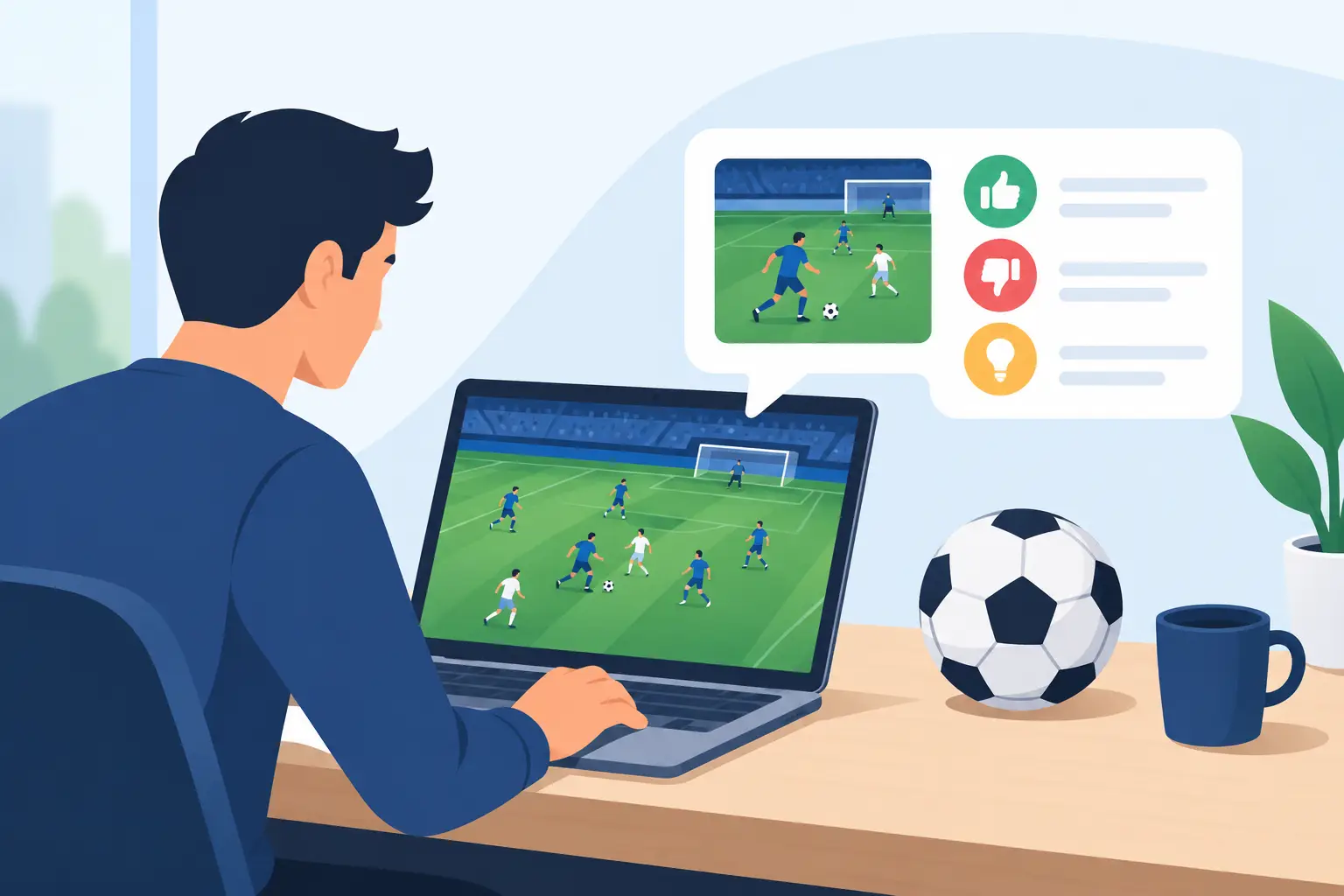
A game can have sharp graphics, fast gameplay, and big promises, but if nobody feels connected to it, the excitement fades fast. That is why the idea of a community first gaming brand matters so much right now, especially for football fans who want more than another title dropped into a crowded market. People want to feel like they are part of something exciting from the beginning.
A community first gaming brand puts supporters at the center of the journey, not at the end of a sales funnel. It treats fans like participants, not just customers. That changes the energy around a project. It creates momentum, trust, and a stronger reason to care before the game is even finished.
What a community first gaming brand really means
At its core, a community first gaming brand starts with a simple belief: the people who care about the game should have a real place in its story. That does not mean every fan is directing development or voting on every tiny detail. It means the brand is built around shared belief, open communication, and a genuine invitation to help bring the project to life.
In gaming, that stands out because so many launches feel distant and controlled. A publisher announces a product, drops trailers, and asks people to wait. A community-first model feels different. It says, here is the vision, here is the mission, and here is how you can support it if you believe in where this is going.
That matters even more in football gaming. Fans are emotional, loyal, and deeply connected to the sport. They do not just want mechanics and menus. They want identity. They want culture. They want to feel that the game belongs to the people who love football, not just to a company trying to sell them a yearly update.
Why fans are responding to the community first gaming brand model
People are tired of feeling like they only show up when it is time to buy. They want to join earlier. They want to back ideas they believe should exist. They want to support fresh projects that bring new energy into sports entertainment.
That is where a community first gaming brand earns attention. It gives fans a role before launch day. Support becomes part of the experience. Instead of standing outside the project, people can help push it forward.
For independent game development, this is powerful. Big studios can buy visibility. Smaller brands need belief. They need real people who care enough to share the vision, talk about the project, and contribute because they want to see it grow. That kind of support is not just financial. It is emotional. It is cultural. It is the early fuel behind a bigger movement.
There is also a trust factor here. Supporters are more likely to rally behind a project when the message is clear and honest. If backing development is voluntary and does not offer financial returns, say that directly. Strong community brands do not hide behind hype. They build confidence through transparency and excitement at the same time.
Community comes before scale
A lot of brands want the look of community without doing the work. They want engagement numbers, comments, and shares, but they do not actually build around the people showing up. Fans can tell the difference.
A real community first gaming brand focuses on belonging before mass reach. It grows by creating a reason for people to care, not just a reason to click. That often starts small. Early supporters matter because they bring conviction. They are not there for trend-chasing. They are there because they want to help build something new.
This approach can grow slower than traditional advertising at first. That is the trade-off. Community-led momentum is not always instant. It requires consistency, repetition, and patience. But when it works, it creates stronger loyalty than paid attention ever could.
That is especially true for a football project trying to build something global. Football is already the world’s game. A community-powered model fits naturally because fans from different countries, backgrounds, and gaming habits can rally around one shared idea. If the brand is inclusive and clear, support can come from anywhere.
What people expect from a community first gaming brand
Fans do not expect perfection. They do expect honesty, energy, and a real sense that their support means something.
That starts with communication. People want to know what the project stands for, what stage it is in, and what support is helping make possible. They do not need every technical detail. In fact, too much complexity can push casual supporters away. What they need is a clear picture of the mission and a believable reason to join it.
They also expect consistency. A brand cannot talk about community one week and disappear the next. Momentum grows when people keep seeing progress, updates, and confidence. Even small steps matter if they are shared well.
There is another expectation that matters just as much: respect. A community first gaming brand cannot treat supporters like a source of pressure-free money. It has to treat them like the reason the project has a chance to grow. That means being upfront about what support does, what it does not do, and why every contribution matters.
Why this model fits football gaming so well
Football is already built on community. Clubs, rivalries, chants, local pride, global fandom – none of it works without people feeling emotionally invested. So when a football game is built with a community-first mindset, it connects with the spirit of the sport itself.
That does not mean every football fan wants the same thing. Some want realism. Some want fast fun. Some care more about culture and atmosphere than detailed simulation. That is why a community-first approach is useful. It creates room for conversation and shared identity while the project takes shape.
For a new football gaming project, this approach also offers something bigger than product marketing. It gives people a chance to say, I helped support this. I was there early. I believed in the vision before it became mainstream. That feeling has value.
Infinity Football reflects that kind of energy by inviting supporters to help fund development as a voluntary act of belief in a new football entertainment experience. Not as an investment. Not as a promise of financial return. Just as a direct way to help build something exciting and global from the ground up.
The difference between support and purchase
This is where clarity matters. A purchase is usually simple: the product exists, and you buy access to it. Support for an independent project is different. It is about helping the project move forward before it reaches the finish line.
That difference should never be blurred. A strong community brand is clear that contributions are voluntary backing for development. People are supporting gameplay creation, visual production, and the broader mission of building a new football gaming experience. They are helping make the project possible, not buying ownership in it.
Being direct about that does not weaken the message. It strengthens it. Fans respect honesty. And when the mission is exciting enough, transparency makes the invitation even more compelling.
Building momentum the right way
A community first gaming brand does not need to pretend it is already huge. It needs to show that it is alive, growing, and worth backing. Momentum comes from repeated proof of effort, belief, and movement.
That can look like regular updates, strong brand messaging, visible supporter participation, and a clear sense of ambition. It can also mean keeping the ask simple. If people understand the vision in seconds and know how to support it, they are much more likely to act.
There is always a balance to manage. Push too hard, and the brand starts sounding desperate. Stay too vague, and people lose interest. The sweet spot is confident and open: this is the mission, this is why it matters, and this is how you can help if you want to be part of it.
For football fans and gamers, that kind of invitation feels fresh because it gives them more than content to consume. It gives them a role in the rise of something new.
The future belongs to brands people can join
The strongest gaming brands of the next era may not be the loudest. They may be the ones that make people feel included early, communicate clearly, and turn support into shared momentum. That is the real power of a community first gaming brand.
When fans are invited in with honesty and energy, a project becomes more than a game idea. It becomes a mission people want to carry forward. And if you believe football gaming can be bigger, more inclusive, and more community-powered, backing that vision is a meaningful place to start.