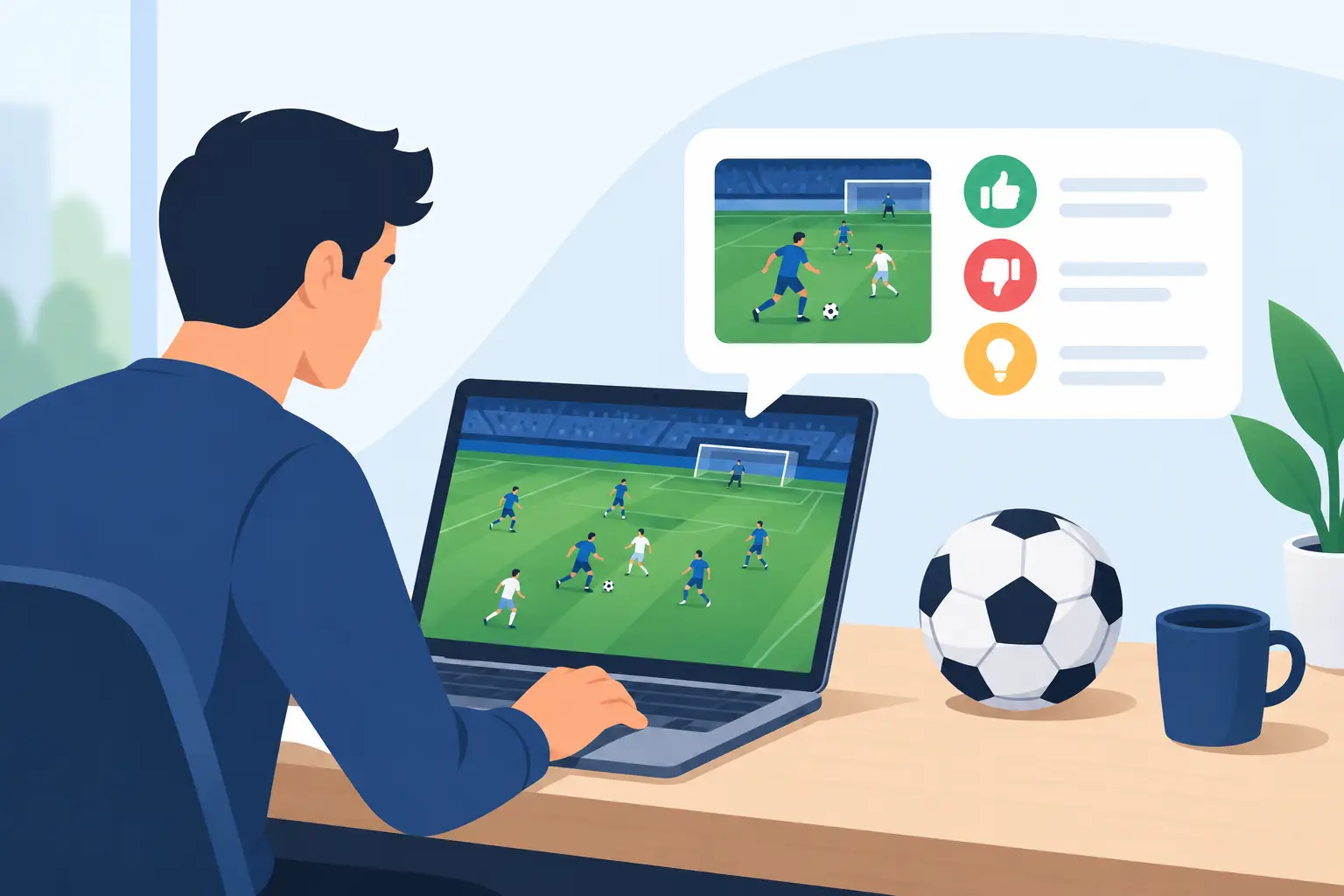
A great football game can live or die on the first image a fan sees: the stadium lights, the player movement, the kit details, the energy of a matchday crowd. That is why finding the best ways to fund game art is not a side task for an independent studio. It is part of building a game people can believe in, share, and support.
For a community-backed project, art funding is about more than paying for assets. It is about showing supporters what their contribution can help create. Every character concept, environment sketch, animation test, and interface screen can turn a big idea into something real for a global football community.
1. Start With an Art Scope That Fans Can Understand
“Game art” is a broad phrase, and broad funding goals are hard for supporters to connect with. Break the visual work into clear stages that show what needs to happen first and why it matters.
For a football game, early priorities may include player concepts, a signature stadium environment, ball and kit designs, user interface screens, and visual effects that bring the match to life. Later, the project may need more team styles, crowd variety, celebrations, menus, cinematic moments, and polished animation.
This approach makes the goal feel achievable. Instead of asking a community to fund an abstract art budget, invite them to help bring a specific piece of the game to life. A supporter can understand the impact of helping fund a playable stadium prototype far more easily than a vague request for “better graphics.”
It also protects the project from overspending too early. Beautiful final-quality character models are exciting, but they may not be the right first expense if the game still needs to establish its visual identity. Start with the art that proves the vision.
2. Build Community Donations Around Visible Milestones
Donation-based support is one of the strongest funding paths for an independent game with a clear mission and an engaged audience. Fans are not buying ownership or expecting a financial return. They are voluntarily helping build the football experience they want to see exist.
The key is visibility. Give each funding milestone a meaningful creative purpose. For example, one target could support a first stadium art pass. The next could help create player animations and match presentation. Another could move the project toward polished game menus, new environments, or expanded visual content.
Supporters respond when they can see momentum. A concept image can become a 3D scene. A 3D scene can become match footage. Match footage can become a stronger reason for new people to join the mission. This is how community support creates a cycle of excitement rather than a one-time request.
Infinity Football is built around this kind of shared participation: football fans and gamers helping support an original independent project from the ground up. Clear donation messaging matters here. Be direct that contributions are voluntary support for development and do not represent an investment or provide financial returns. Transparency creates trust, and trust gives a community a reason to stay involved.
3. Use Early Art to Fund the Next Stage of Art
The first visual assets do not need to be massive. They need to be memorable. A strong key image, a short player-animation test, a stadium lighting concept, or a bold game logo can give people something to react to.
Early art has two jobs. First, it helps the development team define the game’s look. Second, it gives the community a reason to imagine themselves in that world. Football fans know immediately when an image has atmosphere. They notice whether a pitch feels alive, whether a kit has personality, and whether a match presentation carries real energy.
Use that response wisely. Share visual progress, listen to the conversation, and identify what fans are most excited to see next. That does not mean every community comment should dictate the art direction. A game needs a confident creative point of view. But fan response can show where the emotional connection is strongest.
The trade-off is speed. Posting rough work too soon can create confusion if people mistake an early concept for the final product. Label work honestly. Explain whether viewers are seeing concept art, a work-in-progress model, or a polished game asset. Supporters appreciate being treated like part of the journey.
4. Phase Production Instead of Funding Everything at Once
One of the most practical ways to manage art funding is to divide production into phases. This creates smaller, more realistic targets and helps the project show progress before asking the community to support the next level of work.
The first phase can establish style and identity. It may cover mood boards, character and kit concepts, stadium direction, logo treatments, and a visual guide that keeps the game consistent. This is the foundation for every asset that follows.
The second phase can focus on a playable visual slice: one environment, a limited roster of player models, essential animations, match interface elements, and visual effects. At this stage, the question is not whether the game has every feature. The question is whether the experience already feels exciting.
The third phase can expand the world with more visual variety and polish. That may include additional stadiums, crowd systems, celebrations, menus, cosmetics, player likeness direction, and refined lighting. By then, supporters have seen where their help has gone and why another milestone matters.
Phasing is not glamorous, but it is powerful. It gives independent teams room to adapt. If community support grows quickly, the project can move faster. If funding takes longer, the team can still complete meaningful work without abandoning the bigger vision.
5. Look for Aligned Creative Partners
Community support does not have to be the only source of art funding. An independent project may also find help through creative partners, experienced freelance artists, student talent, local development programs, sports communities, or brand relationships that fit the game’s values.
The word “aligned” matters. A partnership should strengthen the project without pulling it away from the fans. A partner that wants to control the entire game direction, overload it with branding, or demand promises the project cannot make may cost more than it gives.
For football-focused entertainment, the right creative partner could bring specialist knowledge in kit design, motion graphics, stadium atmosphere, sound, or community content. Those contributions can stretch an art budget and improve authenticity. But expectations should always be clear: who owns the work, what gets delivered, when it is delivered, and how the work can be used if plans change.
6. Keep a Simple, Honest Art Budget
Supporters do not need a complicated spreadsheet filled with studio jargon. They do deserve a clear explanation of how development support helps move the game forward.
A useful art budget separates major needs: concept work, 3D modeling, animation, environment creation, interface design, visual effects, technical art, and quality review. Costs vary widely depending on the style, number of assets, level of detail, and whether the team is building for mobile, PC, console, or multiple platforms.
A stylized game may be able to create a distinctive look with a smaller budget and faster production. A realistic football experience may require more detailed models, more animation work, and more time to make every movement feel convincing. Neither route is automatically better. The right choice depends on the creative vision and what the team can sustain.
When a budget changes, explain why. Maybe animation requires more work than expected. Maybe an early stadium prototype revealed a better lighting direction. Honest updates turn normal development challenges into part of a shared build, not a hidden problem.
7. Make Every Update Feel Like Progress
Funding game art is easier when the community can see the game becoming more real. Regular updates do not need to be long technical reports. A before-and-after image, a short animation clip, a new kit concept, or a look at evolving stadium atmosphere can be enough to keep the energy moving.
The best updates connect art to emotion. Do not only say that a texture was completed. Show how it makes a night match feel bigger. Do not only announce a new player model. Explain how it supports faster, more expressive football gameplay. Fans support a game because they want the feeling of playing it, not because they are tracking production terminology.
Consistency matters more than perfection. An active community can handle the reality that independent development takes time. What it cannot support for long is silence. Keep sharing the build, keep celebrating each milestone, and keep making room for people who want to help create something exciting.
The future of football gaming will not be built by waiting for someone else to make the experience fans want. It can be built one concept, one stadium, one animation, and one voluntary contribution at a time – with a global community behind it.