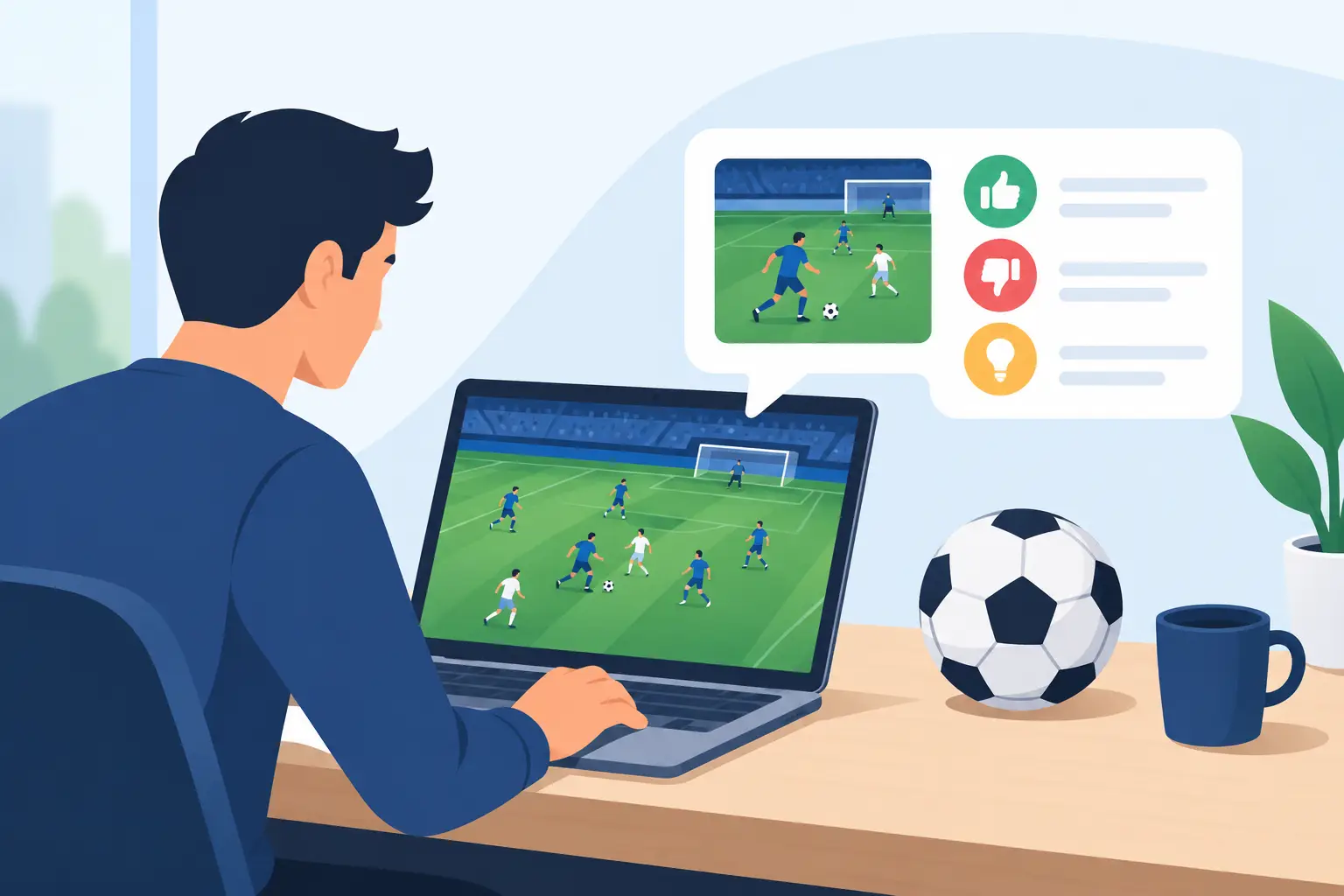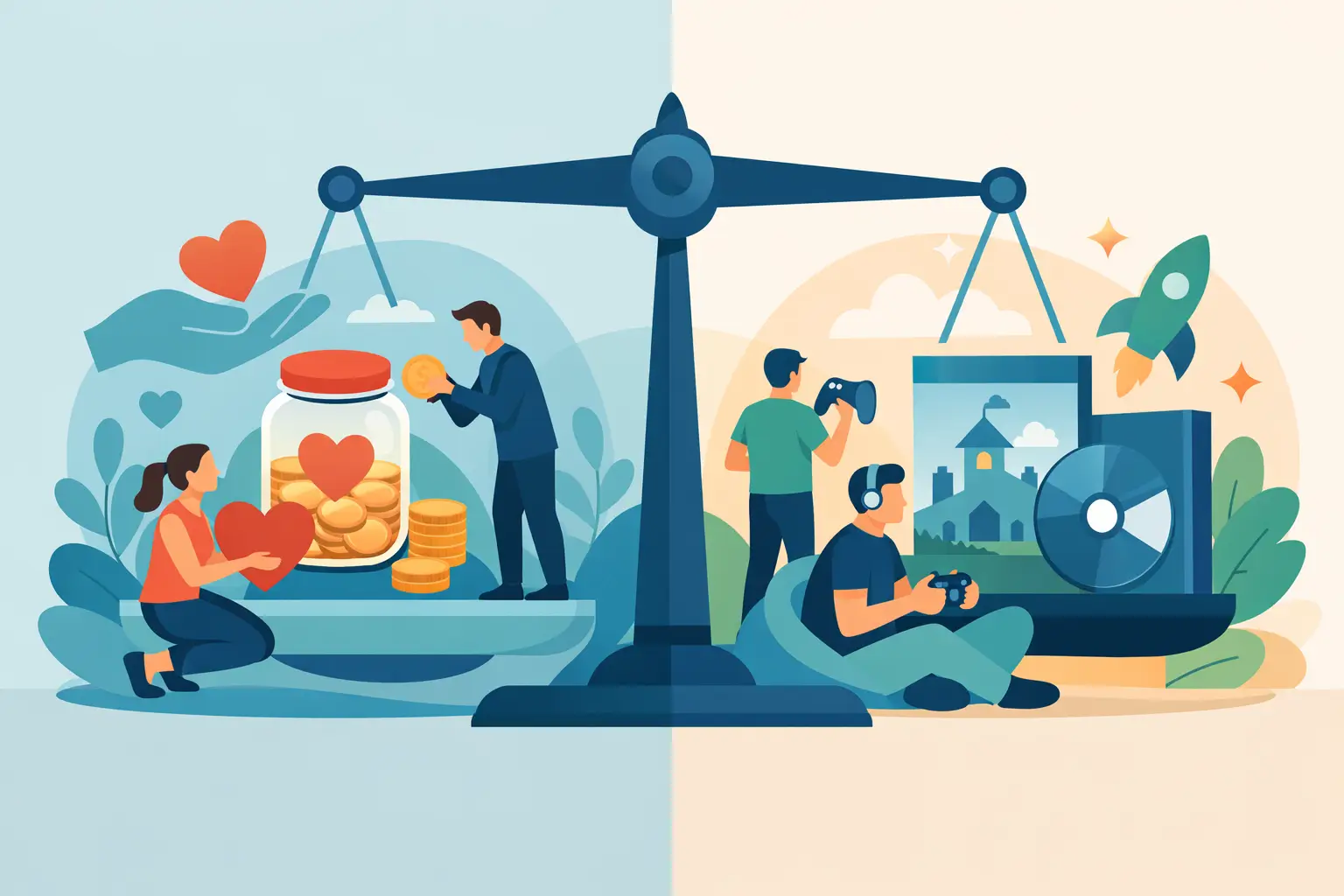
A lot of game projects ask for support before launch, but donations versus game pre orders are not the same thing – and that difference matters if you care about what you are backing. One is about helping build something exciting from the ground up. The other is about reserving a product you expect to receive later. If you are a football fan watching an independent game take shape, knowing which model you are looking at helps set the right expectations from day one.
Why donations versus game pre orders matter
When people hear that a game is collecting money before release, they often assume it works like a standard retail purchase. That makes sense. Big publishers have trained players to think in terms of pre orders, launch bonuses, and release dates. But independent entertainment projects often operate differently, especially when they are still in active development and building with community support.
That is where donations versus game pre orders becomes more than a technical distinction. It changes the relationship between the project and the supporter. A pre order is product-first. A donation is mission-first. With a pre order, the mindset is simple: I am paying now because I expect the finished game later. With a donation, the mindset is different: I believe in this idea and want to help it move forward.
For a fan-powered football game, that difference is powerful. It creates a community of people who are not just waiting on a release. They are helping make the release possible.
What a game pre order usually means
A game pre order is familiar territory for most players. You pay before launch to secure access to a product once it is released. Sometimes that comes with early access, a digital bonus, special content, or a lower price. The main point is still the same: you are buying a game ahead of time.
That creates a commercial expectation. Players reasonably expect a deliverable, a timetable, and a product that matches the marketing. If the launch slips, content changes, or the final game disappoints, frustration rises fast because money was exchanged with a purchase mindset.
Pre orders can work well for established studios, well-funded teams, or projects close to completion. In those cases, the game already exists in a fairly advanced state, and the pre order is mostly about sales timing. It is less about making the project possible and more about selling the project before release.
What donations mean in game development
Donations work from a different starting point. A donation is voluntary support for the development process itself. It is not an investment. It does not offer financial returns. It is also not the same as buying a finished game that is ready to ship on a known date.
For an independent football gaming project, donations can help fund gameplay development, graphics, production needs, and the broader work required to turn an original idea into a real entertainment experience. Supporters are backing the vision and the build, not claiming ownership over the project.
That makes donations more transparent when a project is still being created. Instead of pretending a game is already a polished product available for advance sale, the donation model says something much more honest: this is being built, and community support helps move it forward.
There is real value in that clarity. It respects the supporter. It avoids confusion. And it creates a stronger foundation for trust.
Donations versus game pre orders for independent projects
For independent teams, the choice between donations and pre orders is not just about payment structure. It is about honesty, stage of development, and community identity.
If a project is still forming its systems, visuals, and broader world, calling support a pre order can create the wrong expectations. People may assume a fixed release window, a locked feature set, or guaranteed delivery terms that do not match the reality of an early-stage build. That gap can damage credibility even when the team is working hard and communicating in good faith.
A donation model is often a better fit when the goal is to rally a global community around something new and innovative. It tells supporters exactly what they are doing. They are helping fund the creation of the experience. They are part of the momentum behind it. They are not just customers waiting for a transaction to complete.
That distinction matters even more in sports gaming. Fans are not only comparing one project to another indie release. They are comparing it to giant franchises with huge budgets, long histories, and full commercial pipelines. Independent football projects need a model that reflects where they are and what they are building. Donations can do that in a direct, credible way.
What supporters should expect from each model
The biggest difference between donations and pre orders comes down to expectations.
With a pre order, supporters usually expect a completed game, delivery access, and a buyer-seller relationship. They may also expect refund policies, launch updates, platform specifics, and purchase protections tied to a normal product sale.
With donations, supporters should expect something more community-driven and less transactional. They are choosing to back development because they want to help the project grow. They may receive updates, a closer connection to the journey, or the satisfaction of helping build a new football entertainment experience. But the core action is support, not retail purchase.
This does not make donations weaker. In many cases, it makes them more meaningful. People who donate are often motivated by belief, excitement, and participation. They want the game to exist. They want the project to gain momentum. They want to say they were there early, helping push it forward.
That emotional buy-in is not a small thing. It is often the reason independent projects survive long enough to become real contenders.
Why the donation model can feel more authentic
Fans are smart. They can tell when a project is trying to force itself into a standard commercial box too early. If a team is still building, still growing, and still shaping the future of the game, pretending everything is already product-ready can feel off.
A donation model can feel more authentic because it matches the real stage of the project. It says: this is ambitious, this is exciting, and this needs community backing to move faster and grow stronger. That message is simple, but it carries weight.
It also creates room for supporters who care about the mission as much as the outcome. Some people do not just want to consume a game. They want to help launch one. They want to support independent creativity. They want a fresh football experience in a market that often feels dominated by the same names.
That is where a community-supported project can stand out. It is not only asking for attention. It is inviting participation.
The trade-offs are real
None of this means donations are automatically better in every situation. If a game is nearly finished and ready for a standard release path, pre orders may be the more natural option. Players understand them, platforms support them, and the exchange is straightforward.
Donations also ask for a different kind of trust. Supporters need to be comfortable backing the process, not just the result. That means transparency matters. Clear messaging matters. The project needs to explain that support is voluntary and that it does not provide financial returns. The more direct that communication is, the stronger the relationship becomes.
Pre orders can be easier for buyers who want certainty. Donations can be stronger for communities that want to build something together. It depends on what stage the project is in and what kind of relationship it wants with supporters.
A better way to think about support
Instead of asking which model sounds more familiar, ask which model matches reality.
If you are buying access to a game that is almost ready, pre orders make sense. If you are backing the development of a new football gaming experience because you believe it deserves to exist, donations are the clearer and more honest fit.
That is why community-backed projects can be so exciting. They give fans a chance to do more than watch from the sidelines. They create a way to help shape momentum around something original, global, and full of potential. For a builder brand like Infinity Football, that kind of support is not just funding. It is fuel for the bigger vision.
When fans understand the difference, they can support with confidence – and that confidence is how new football gaming ideas get a real shot at becoming something special.