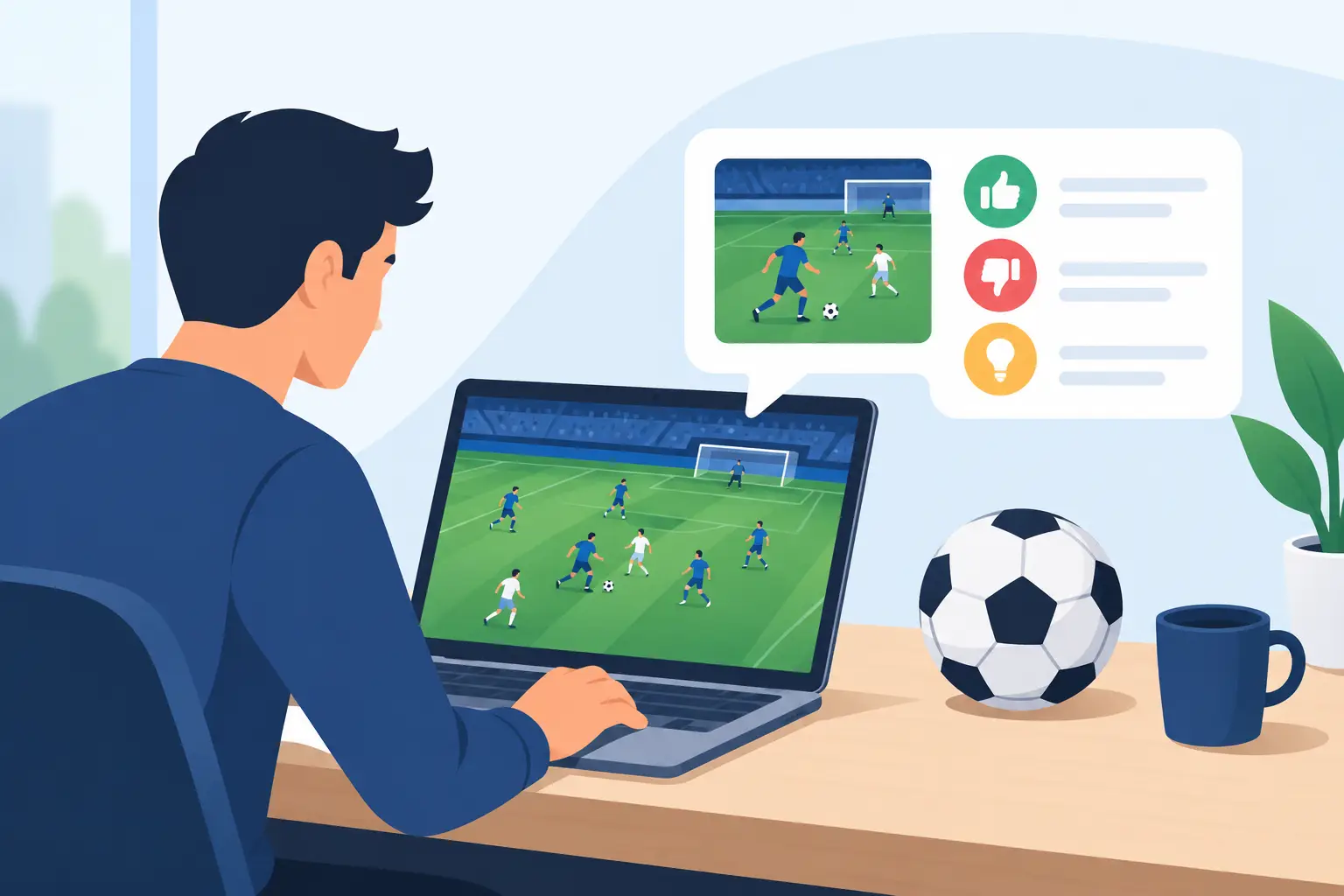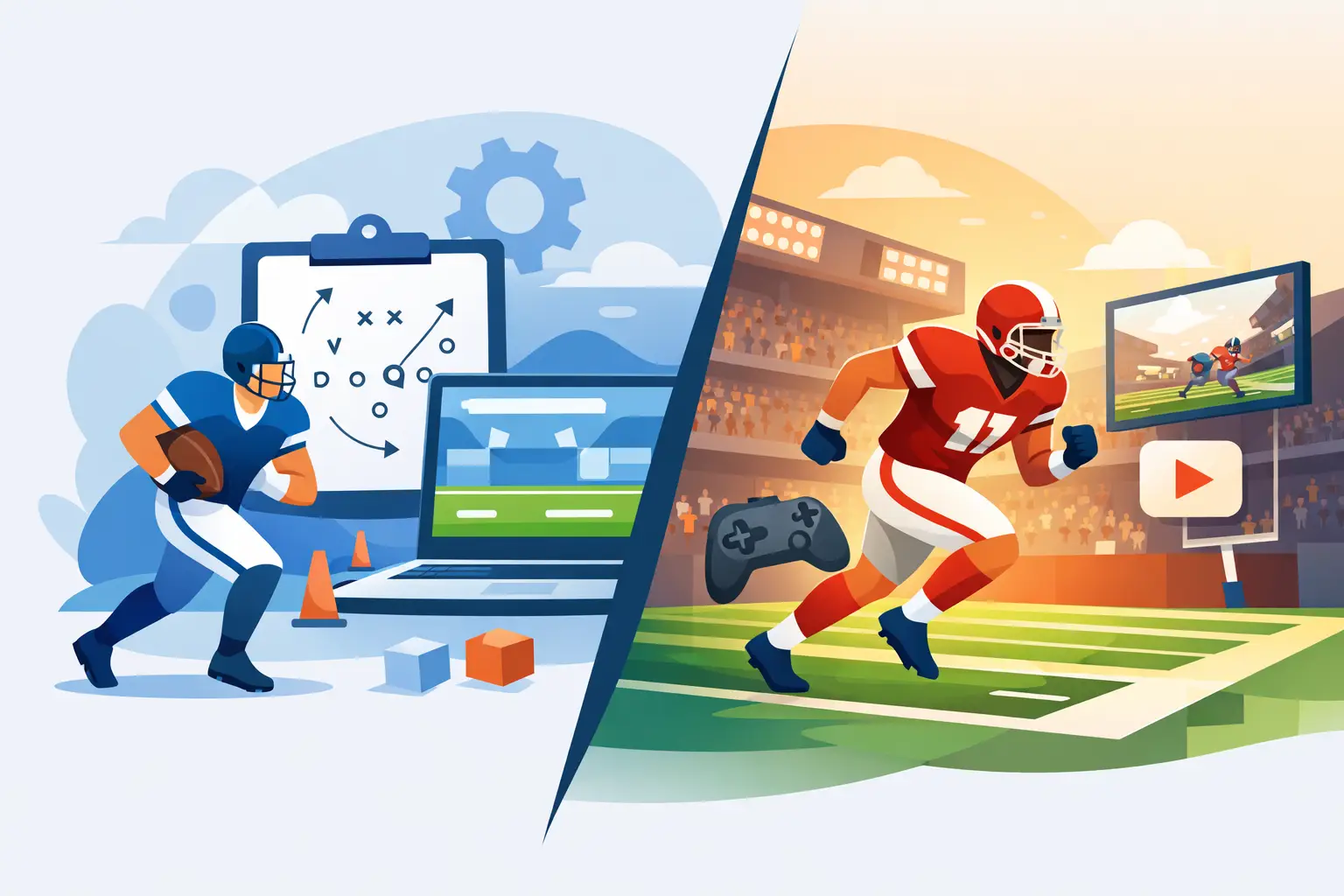
A football game is not born when a trailer drops or a download button appears. It starts with questions that need real answers: Does the ball feel alive? Is a through pass rewarding? Can a last-minute goal create the emotion fans expect? Understanding the football game prototype versus demo difference helps supporters see what they are looking at – and why early builds matter to the future of the game.
For an independent football project, every stage is part of building something bigger. A prototype proves an idea can work. A demo shows players what the experience may feel like. Both can be exciting, but they serve different purposes, and neither should be judged by the same standard as a finished release.
What Is a Football Game Prototype?
A prototype is an early working version made to test the heart of the game. It is where a development team asks, “Is this fun enough to keep building?” The build may focus on one mechanic, one camera angle, one type of match situation, or even a simple practice field instead of a full stadium experience.
In a football game, that can mean testing ball movement, player acceleration, passing direction, shooting power, tackling, goalkeeper reactions, or the responsiveness of the controls. The visuals may be basic. Menus may be missing. Players might use placeholder models, plain kits, or incomplete animations. That is not a failure. It is the point.
A prototype is designed to expose problems early, when they are less expensive and less disruptive to fix. If passing feels too automatic, developers can adjust it. If defenders chase the ball in strange ways, the team can identify the behavior before building a full season mode around it. If a shot from outside the box never feels satisfying, that is better discovered now than near launch.
The key question for a prototype is not, “Does it look finished?” It is, “Does the core football experience deserve the next stage of development?”
What supporters can reasonably expect
An early prototype can be exciting because it makes the project real. You may see the first signs of a unique gameplay identity: a quicker tempo, a more physical battle for possession, a different approach to player control, or a stronger focus on the drama of football.
At the same time, supporters should expect rough edges. A prototype can crash, look unfinished, contain limited content, or change completely after testing. Early development is about learning. Some promising ideas will be improved, while others will be removed because they do not create the right experience.
That flexibility is a strength. A team willing to test, listen, and revise is protecting the long-term quality of the game.
What Is a Football Game Demo?
A demo is closer to a playable preview. It is built for people outside the development team to experience a controlled slice of the game. Instead of testing only one mechanic, a demo usually brings several elements together: match flow, controls, visuals, sound, presentation, and a limited set of teams, modes, or stadiums.
Think of a demo as a focused invitation. It says, “Here is what we are building. Step onto the pitch and feel the direction.” It does not need to include every feature planned for the full game, but it should communicate the game’s personality more clearly than a prototype can.
A football demo might offer a short exhibition match, a penalty mode, a training challenge, or a small selection of teams. It could include commentary, crowd audio, cinematics, and refined player animations. The goal is not simply to show more content. It is to give players a more dependable sense of the intended experience.
That does not mean a demo is final. Ratings can change. UI can be redesigned. Animation timing can be tuned. Features shown in a demo may evolve as the game moves toward release. But compared with a prototype, the demo should have a clearer level of polish and a more consistent experience.
Football Game Prototype Versus Demo: The Real Difference
The simplest difference is purpose. A prototype tests whether a core idea works. A demo communicates how a developing game may play for its audience.
A prototype is often internal, limited, and willing to be messy. It exists to answer hard design questions. A demo is more public-facing, intentionally curated, and built to help fans understand the vision. The prototype asks developers to be honest about what is not working. The demo asks players to engage with what is starting to work.
There is also a difference in feedback. Prototype feedback may be highly specific: Does manual passing respond correctly? Does the goalkeeper position well during a breakaway? Is the camera making it too difficult to read the field? Demo feedback often expands into the full player experience: Is the match exciting? Are controls easy to learn? Does the presentation feel like football? Would someone want to play another match?
Neither stage is more important than the other. A beautiful demo built on weak gameplay will struggle to hold attention. A smart prototype that never develops into a clear, enjoyable player experience will not reach its potential. Great football gaming needs both the courage to experiment and the discipline to refine.
Why This Difference Matters to a Community-Built Game
Fans who support independent development are not just waiting for a product on a shelf. They are helping a project grow from an early idea into a global entertainment experience. That makes transparency especially valuable.
When a project shares a prototype, it should be clear that viewers are seeing an early test, not a promise that every detail is locked. When it presents a demo, it should be clear that the build represents progress, while development and refinement continue. Setting those expectations respects the community and creates space for honest excitement.
It also helps supporters understand where their voluntary contributions can make a difference. Development resources can support gameplay testing, animation work, graphics production, audio, technical improvements, and the many creative decisions that turn a football concept into a game people want to return to. Support is voluntary and does not provide financial returns. Its value is participation in helping make the project possible.
For Infinity Football, that community energy can be part of the advantage. Major publishers may have enormous resources, but independent projects can stay close to the people who care about the game. Fans can rally around a fresh vision, celebrate visible progress, and help create momentum for a football experience that deserves to exist.
How to Watch Early Footage With the Right Mindset
When you see a prototype, watch for the moments that reveal gameplay potential. Does the ball move with believable weight? Can you understand why a goal happened? Do attacking and defending feel like decisions rather than random outcomes? Is there a spark in the movement, pace, or match tension?
When you see a demo, look at the bigger picture. Can you quickly understand the controls and match flow? Does the game create football drama? Are the visuals, sound, camera, and gameplay beginning to work together? Even in a limited preview, you should be able to sense the direction of the finished experience.
Avoid judging either build only by what is missing. Missing modes, unfinished player faces, limited teams, and placeholder menus can all be normal at earlier stages. The more useful question is whether the team is making progress on the elements that matter most.
At the same time, enthusiasm should not mean ignoring concerns. Clear communication, visible improvement, and realistic expectations build trust. If a team says a feature is experimental, it should be treated as experimental. If something changes after feedback, that can show responsive development rather than inconsistency.
From First Touch to Full Matchday
The journey from prototype to demo is where ambition meets proof. Early tests help shape the football on the field. Demos help bring that growing vision to players. Then comes the longer work of expanding content, improving performance, balancing systems, and turning promising moments into a complete game.
That journey takes patience, creativity, and a community that believes football gaming can keep moving forward. The next great match experience will not appear fully formed. It will be built through thousands of decisions, tests, adjustments, and supporters who choose to be part of the story while it is still being written.