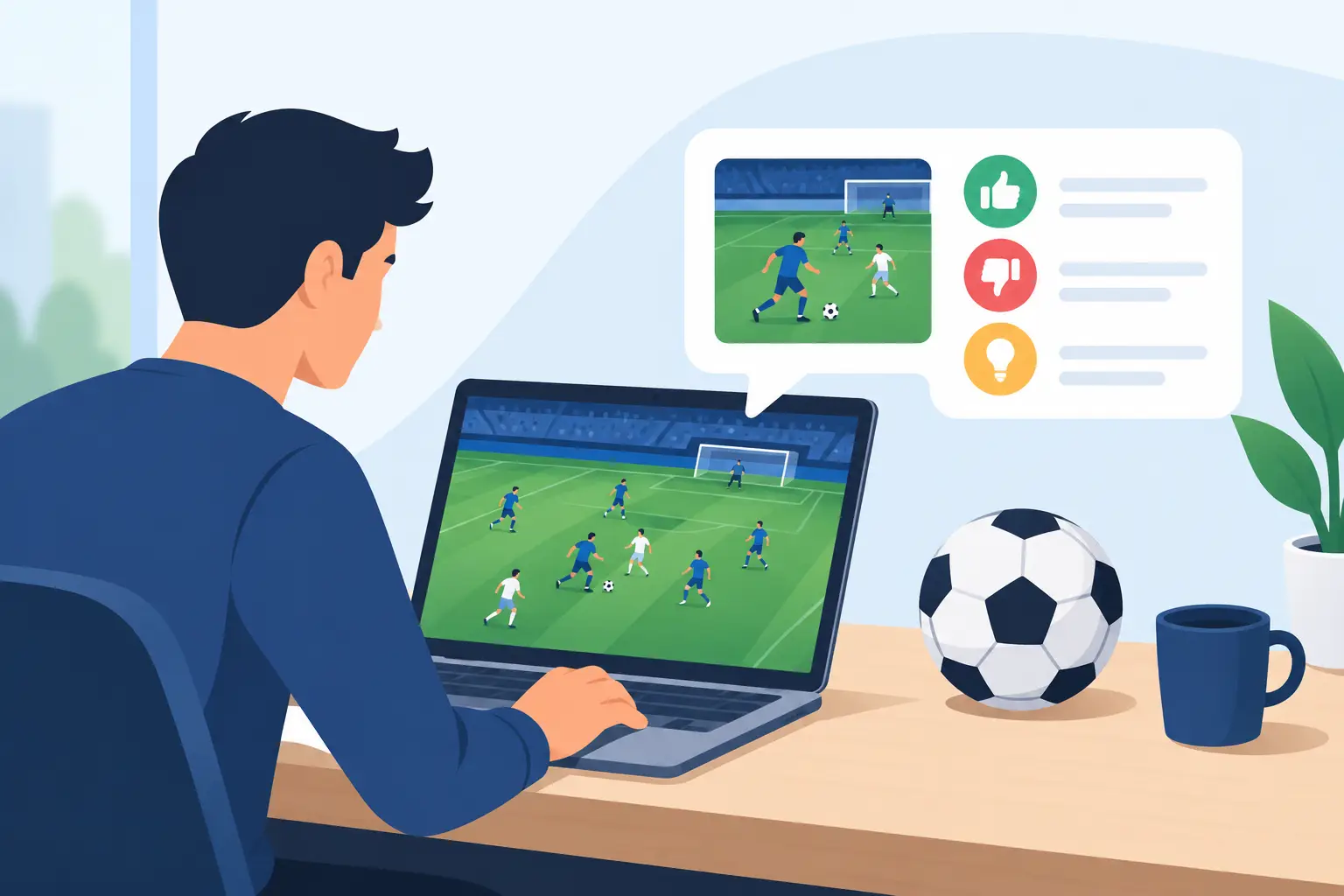
A football game does not start with a stadium full of fans. It starts with a small team, a clear idea, and a community that believes the project deserves to exist. That is what this independent football game development guide is really about – not just how to make a game, but how to build momentum around a football experience people want to support from day one.
Big sports titles have money, licenses, and massive teams. Independent creators do not. But indie teams can move faster, listen better, and build something with real personality. For football fans who want a fresh digital experience, that matters. For creators, it means the opportunity is real if the plan is smart.
Why an independent football game development guide matters
Football games are tough to make. The sport looks simple from the stands, but in a game it becomes a chain of difficult design problems. Player movement has to feel believable. Matches need tension. Controls must be responsive enough for gamers but accessible enough for casual fans. Then there is presentation, audio, menus, team identity, and the simple question every player asks in the first five minutes: is this fun?
That is why an independent football game development guide should start with focus. Indie teams rarely win by trying to match the scale of the biggest publishers. They win by choosing a lane. Maybe that is fast arcade action. Maybe it is a community-driven football universe. Maybe it is a stylized global game with lower barriers for new players. The key is to build a football experience around a distinct promise.
If the promise is vague, development drifts. If the promise is clear, supporters know what they are backing.
Start with the football feeling, not the feature list
A common mistake in indie sports development is chasing features too early. Career mode, online leagues, customization, tournaments, commentary, licensed teams – all of it sounds exciting. None of it matters if the core match does not feel good.
The first version of an independent football game should answer a smaller set of questions. Does sprinting feel dynamic? Does passing feel intentional? Can players read the field quickly? Is scoring satisfying? Those basics create trust. Without them, every extra feature becomes expensive decoration.
This is where discipline matters. A small team should define one playable loop that proves the game has life. Kickoff match. Strong controls. Clear feedback. Memorable pace. If that loop works, the project has a foundation. If it does not, adding more systems will not save it.
For a fan-supported project, this approach also makes communication easier. People can see what they are helping build. They are not being sold a giant promise with no center.
Pick a scope that can survive reality
Ambition is good. Uncontrolled ambition kills indie projects.
Football games are system-heavy. Even a modest match includes AI behavior, ball physics, animation blending, camera logic, UI, audio cues, and balancing. A serious development plan has to respect that complexity. That means choosing what belongs in phase one and what can wait.
A realistic indie scope usually looks more like this: a polished core match, a limited number of teams or fictional clubs, one visual style, and a clean presentation package. It probably does not look like dozens of modes and endless content at launch.
There is no shame in that. In fact, restraint can be a strength. Players are often more forgiving of limited content than they are of messy gameplay. A focused football game with energy and identity can build a loyal audience. A bloated one with weak fundamentals struggles to hold attention.
Build for a community, not just a release date
Independent football development works best when the audience is part of the journey. That does not mean asking the community to design every detail. It means giving supporters a real sense of progress and a reason to stay invested.
People back exciting projects when they feel included. They want updates they can understand. They want to see how support helps move the game forward. They want to feel that they are part of building something new for football fans around the world.
This is where community-supported development becomes powerful. Instead of waiting until the game is finished, you create momentum during the build. You share playable progress, visual development, and key milestones in clear language. You stay transparent that support is voluntary and does not provide financial returns. That honesty builds credibility, and credibility keeps people engaged.
A project like Infinity Football fits this model naturally because it frames support as participation in creation, not as a transaction for a finished product. That difference matters. It creates a more inclusive and energized relationship with the audience.
Art direction can carry more than raw graphics
Indie teams often worry about competing with blockbuster visuals. The better question is whether the game looks confident. Players can forgive lower graphical complexity if the art direction feels intentional.
A football game needs visual clarity first. Can users track the ball, the player spacing, and the action without effort? After that, style becomes an advantage. Bright presentation, strong stadium atmosphere, bold menus, and a recognizable visual identity can make an indie game feel exciting even without a massive rendering budget.
This is one of the smartest trade-offs small teams can make. Instead of chasing realism at all costs, they can create a football world that is expressive, readable, and memorable. That usually serves gameplay better too.
Controls and pacing decide whether players come back
Sports fans will try a new football game because the concept sounds fresh. They will stay only if playing it feels rewarding.
Controls should be simple enough to learn quickly but deep enough to improve over time. That balance is hard. If the game is too technical, casual players bounce off. If it is too shallow, more engaged players get bored. The right answer depends on the audience you want most.
For a broad global audience, responsive controls and immediate action often matter more than simulation detail. Quick restarts, readable passing, satisfying shots, and clean defensive interactions can do more for retention than a huge system no one fully understands. A football game does not need to copy every real-world mechanic to capture the energy of the sport.
Pacing matters just as much. A match should create momentum. Downtime needs purpose. Goals need drama. Players should feel the stakes rise. That emotional rhythm is part of what makes football gaming exciting.
Funding shapes the game more than people admit
Every independent football game development guide should say this plainly: your funding model affects your design decisions.
If money is tight, you need milestones that prove progress without draining the team. That often means prioritizing core gameplay, trailers built from real development, and updates that keep supporters connected. It also means avoiding expensive promises too early.
Community-backed funding can be a strong fit for football game development because fans already understand collective passion. They know what it means to rally behind a club, a season, or an idea. That emotional habit translates well when the message is clear: help build a new football gaming experience from the ground up.
Still, this path requires transparency. Supporters should know what their contributions are helping fund, whether that is gameplay work, graphics production, or broader development needs. They should also know what support is not. If there is no investment structure and no financial return, say that clearly every time. Straight talk builds long-term trust.
Marketing starts early when you are indie
For independent creators, marketing is not a final step. It is part of development.
You need a message people can repeat in one sentence. Not a long pitch. Not a technical explanation. One sentence. A new community-backed football game. A global football gaming project built with fan support. Something simple, exciting, and easy to share.
Then every update should reinforce that identity. Show progress. Show energy. Show that the project is moving. The goal is not to sound corporate. The goal is to make people feel they are early to something worth believing in.
That means your brand matters. Your tone matters. Your consistency matters. Independent projects grow when people recognize the mission quickly and feel welcome to join it.
What success looks like for an indie football project
Success does not always mean beating the biggest names on day one. Sometimes success means building a playable core, earning community trust, and creating enough excitement to keep going. Sometimes it means proving there is room in football gaming for a different voice.
That is the real opportunity. Fans do not only want bigger games. They also want fresher ideas, stronger connection, and projects that feel built with them instead of just sold to them.
If you are building in this space, stay focused on the experience you want people to feel. Keep the scope honest. Keep the communication clear. Keep the community close. Football is global, emotional, and full of energy. A great indie game should carry that same spirit from the first prototype onward.
The smartest next step is not to promise everything. It is to build something real enough that people can see the future of it – and feel excited to help bring it to life.