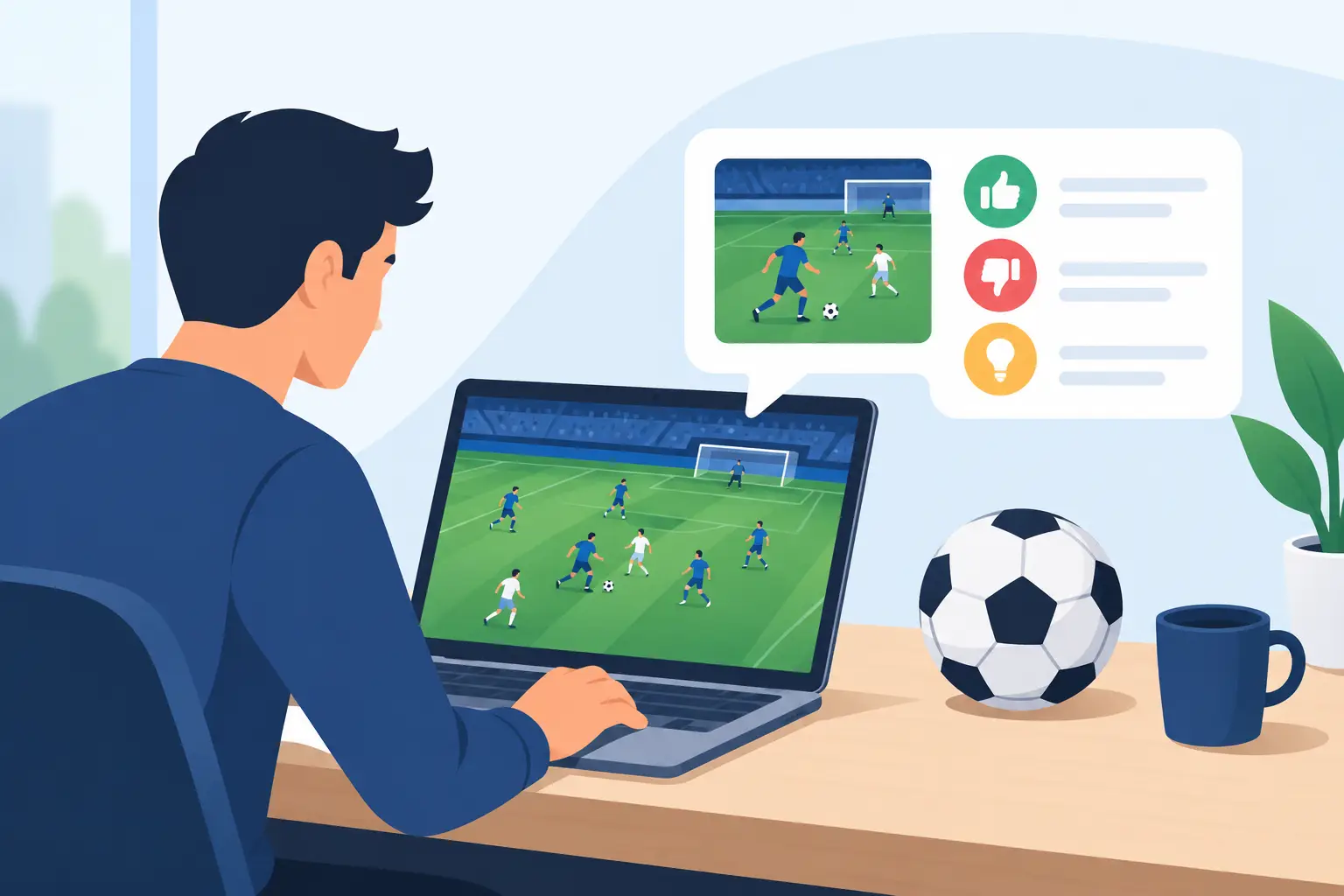
A football game does not become exciting because a publisher says it is. It becomes exciting when people care enough to help build it. That is the real power of a supporter driven game roadmap. It turns development from a closed process into a shared mission, where fans, players, and early backers help move a new idea forward from concept to something real.
For a community-backed football project, that matters. People are not just waiting on a release date. They are showing up early because they want a fresh experience to exist. They want to be part of the energy, the momentum, and the belief that a global football game can be shaped by supporters, not only by big studios with bigger budgets.
What a supporter driven game roadmap really means
A supporter driven game roadmap is not just a timeline with a few milestone labels. It is a public commitment to building in the open, with community support helping fuel each stage of progress. That support is voluntary. It is not an investment, and it does not create a financial return. What it does create is participation.
That distinction matters because it keeps the relationship honest. Supporters are not being sold a shortcut or a promise of profit. They are backing a vision they want to see come to life. In return, they get something many fans never get from major publishers – a visible role in the journey.
In football culture, that kind of connection is powerful. Fans do not just follow outcomes. They follow stories, identity, momentum, and belief. A game built with community backing can tap into the same energy. The roadmap becomes more than production planning. It becomes proof that the project is alive, moving, and worth rallying around.
Why this model fits football gaming
Football is already global, emotional, and community-first. People argue about players, celebrate clubs, debate tactics, and build identity around the game every day. So when a football game is shaped through grassroots support, it feels natural instead of forced.
Traditional game development often creates distance. Studios go quiet for months, then return with a trailer, a feature list, and a launch campaign. That approach can work, but it also makes fans passive. A supporter driven model changes the mood. It invites people in earlier, when the project still needs belief, fuel, and momentum.
That is especially important for an independent project. Without the scale of a major publisher, community support is not a side story. It is part of how the game gets built. Funding can help move gameplay systems forward, support graphics production, and keep development active. Just as important, visible support sends a message: people want this game to happen.
There is also a trust advantage when the message is clear. If supporters understand they are voluntarily backing development, not buying equity and not expecting financial returns, the project starts from a stronger foundation. Transparency keeps the excitement real.
The strongest supporter driven game roadmap is simple
Complicated roadmaps look impressive until people try to follow them. Then they become noise. A better roadmap is clear enough for supporters to understand in a few seconds and strong enough to hold attention over time.
That usually means focusing on stages people can connect to. Early gameplay development matters because supporters want to know the game mechanics are taking shape. Visual progress matters because football games are emotional and visual by nature. Community growth matters because people want to feel they are joining something bigger than themselves.
The best roadmap language is direct. Build the core gameplay. Improve visuals. Expand the world. Grow the community. Keep moving. Supporters do not need a wall of technical terms to feel involved. They need a clear sense that their backing helps push the project from one meaningful step to the next.
That does not mean every detail should be public. Some parts of development need flexibility, and plans can change. A roadmap should create confidence without pretending the process is perfectly predictable. That balance is important. If a team overpromises, the community feels it fast. If the team communicates progress with discipline and honesty, momentum grows in a healthier way.
What supporters actually respond to
People support projects for emotional reasons first. They want to feel part of something exciting. They want to help launch something innovative. They want to say they were there early, before the crowd arrived. A roadmap works best when it respects that.
Supporters respond to movement. They want to see that development is active and that community backing has a purpose. They respond to clarity. If the mission is understandable, it is easier to believe in. They also respond to inclusion. A global football audience wants to feel invited, not marketed at.
That is why community-backed messaging should stay grounded in shared ambition. Help build the future of football gaming. Support the next stage of development. Be part of a global project from the start. These ideas work because they connect personal action to a bigger goal.
Still, there is a trade-off. Pure hype can bring quick attention, but it fades if updates feel thin or repetitive. On the other hand, too much technical detail can slow the energy and make the project feel distant. The smart middle ground is simple: keep the vision big, keep the communication clear, and show steady signs of progress.
How a supporter driven game roadmap builds momentum
Momentum does not come from one announcement. It comes from repeated proof that the project is moving. Every new stage, every visible improvement, and every wave of supporter backing adds to that feeling.
This is where a roadmap helps more than a basic fundraising message. Asking people to support a project is one thing. Showing how support moves the project forward is stronger. It gives people context for their contribution. They can see that community backing helps power development, from foundational gameplay work to visual production and broader creative growth.
Momentum also grows when people can share the mission easily. A supporter is more likely to talk about a project when the idea is clear: this is an independent football game being built with community support, and every contribution helps push development forward. That message is simple, exciting, and easy to repeat.
For a brand like Infinity Football, that kind of clarity matters. The project is not trying to imitate a giant publisher. It is building a different path – one powered by football fans, gamers, and supporters who want to help create something original. That message has energy because it gives the audience a role.
The supporter driven game roadmap needs honesty too
Excitement works best when it is matched by transparency. A roadmap should inspire people, but it should also be careful with expectations. Independent development is not linear every week. Some milestones take longer than hoped. Some features evolve. Some priorities shift as the project grows.
That does not weaken the model. If anything, it makes the model more believable. Supporters can handle real development challenges when the communication stays straightforward. What frustrates people is not change itself. It is silence, confusion, or language that hides reality.
So the strongest roadmap is optimistic without pretending development is effortless. It says where the project is headed, why support matters, and what the community is helping make possible. It leaves room for growth without making promises that sound bigger than the current stage of the project.
That kind of discipline builds long-term trust, and trust is one of the most valuable assets any community-backed game can have.
Why this approach can create a stronger game community
A supporter driven roadmap does more than fund progress. It shapes the culture around the game. When people back a project early, they become emotionally invested in its direction. They follow updates more closely. They talk about it more often. They bring others in.
That creates a very different starting point from a standard launch cycle. Instead of trying to manufacture loyalty at release, the project grows loyalty during development. The audience starts as a community, not just a market.
For football gaming, that is a real advantage. The genre depends on passion. A project with a motivated global community has more than funding support. It has belief, identity, and early momentum that can carry forward as the game grows.
The most exciting part is simple. A supporter driven game roadmap gives people a chance to do more than watch from the sidelines. It lets them help build the future they want to play, one stage at a time.